
Chalk-stream Craft: How the River Test and Itchen Made Modern Fly Fishing
River Test and Itchen: the chalk-stream blueprint
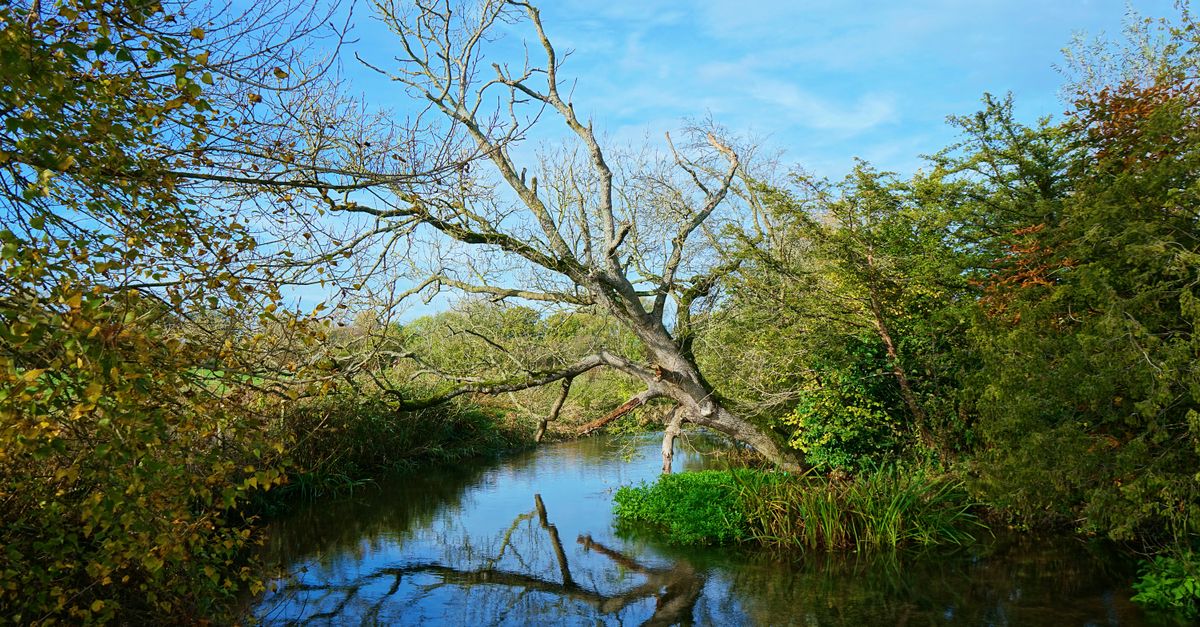
The River Test near Stockbridge and the River Itchen through Winchester set the template for modern dry-fly angling. Clear, gin-coloured water runs over gravel and chalk, holding brown trout and occasional sea trout in river-glassing clarity. These rivers turned delicate presentation into an art.
Anglers learned to read lies where weed, riffle and tailwater meet. Nymphs and dry flies both earned their stripes here; the dry-fly school, perfected in Hampshire, prized surface takes and a soft, invisible cast. The term "purist" traces to that insistence on presentation and respect for the fish’s environment.
Species and tactics
Brown trout dominate. Grayling show in cooler beats. Pike lurk in backwaters and will demolish a silvery lunch if left unchecked. The technique blends patience with precision: long, supple casts, delicate leaders, and subtle drift control. The fly rod length and balance mattered as much as fly choice.
The rivers also shaped gear: light reels with smooth drags, silk lines giving way to modern tapered versions, and stout waders for standing in glassy runs. Landowners, beating traditions, and keepers preserved long stretches where a single trout may carry generations of legend.
On a flat, sunlit bend the fly lifts, the trout springs, and the whole river seems to exhale—chalk-clear and exacting, the blueprint still holds.