
Chalk-Stream Secrets: The River Test, Itchen and the Making of Modern Fly Fishing
River Test and River Itchen, Hampshire: two rivers that made the dry-fly famous
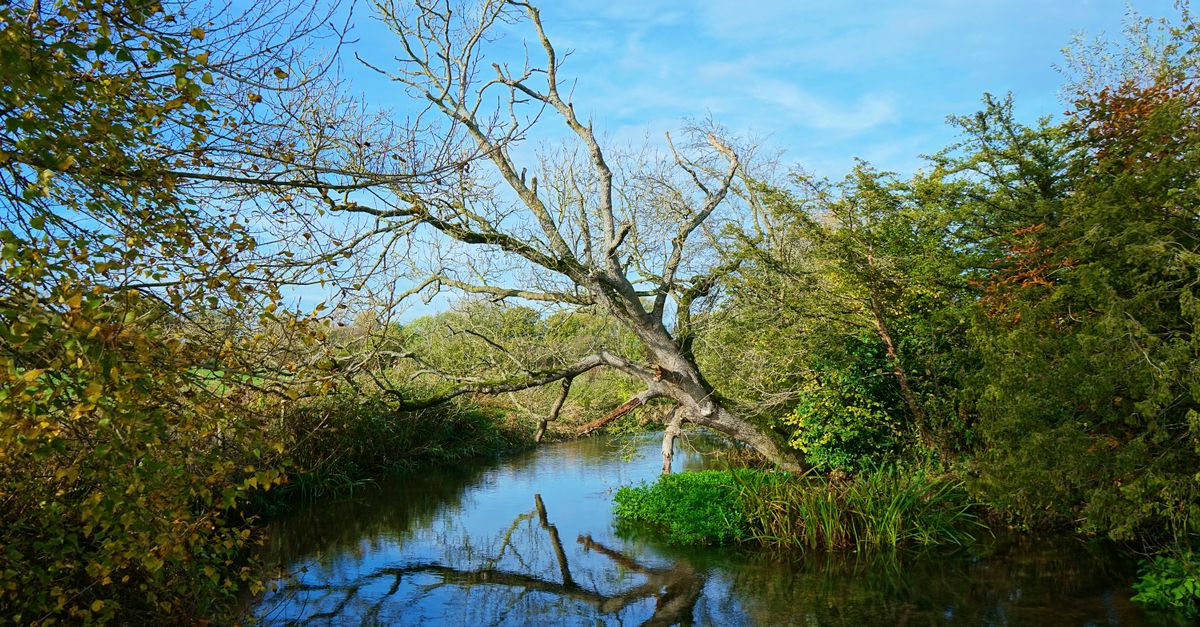
The water runs clear enough to read a fly’s shadow on the gravel. Chalk beneath Hampshire keeps flows steady and insects reliable. The Test and the Itchen set a standard for trout fishing that echoes through every rod locker in Britain.
These streams shape a style. Precision presentations. A light touch. Competing schools of thought once argued the right way to fool a brown trout—surface flies versus submerged flies—each developed on the same riffles and beats.
Techniques born in riffle and glide
Dry-fly technique was perfected here: long leaders, delicate casts, careful observation of rise patterns. Nymphing found its champions too, practised where current drifts through chalky silt and the trout feed just off the gravel. The debate sharpened rigs and tactics that anglers still use today.
Equipment evolved around the water. A light rod for subtle lifts. Soft-soled waders for silent approaches. Leaders tapered to vanish over a fish’s nose. Flies dressed to mimic the hatch on any given evening.
Beyond tactics, chalk-stream fishing built a culture: gentle banks, private beats, and a language of rivercraft passed from one angler to the next. The brown trout of these rivers remain the measuring stick—wary, selective, and worth the patience of the angler who reads the water right.
Recommended: waterproof chest waders