
Chalk-stream Secrets: From the River Test to the Itchen
River Test and Itchen: chalk-stream classrooms
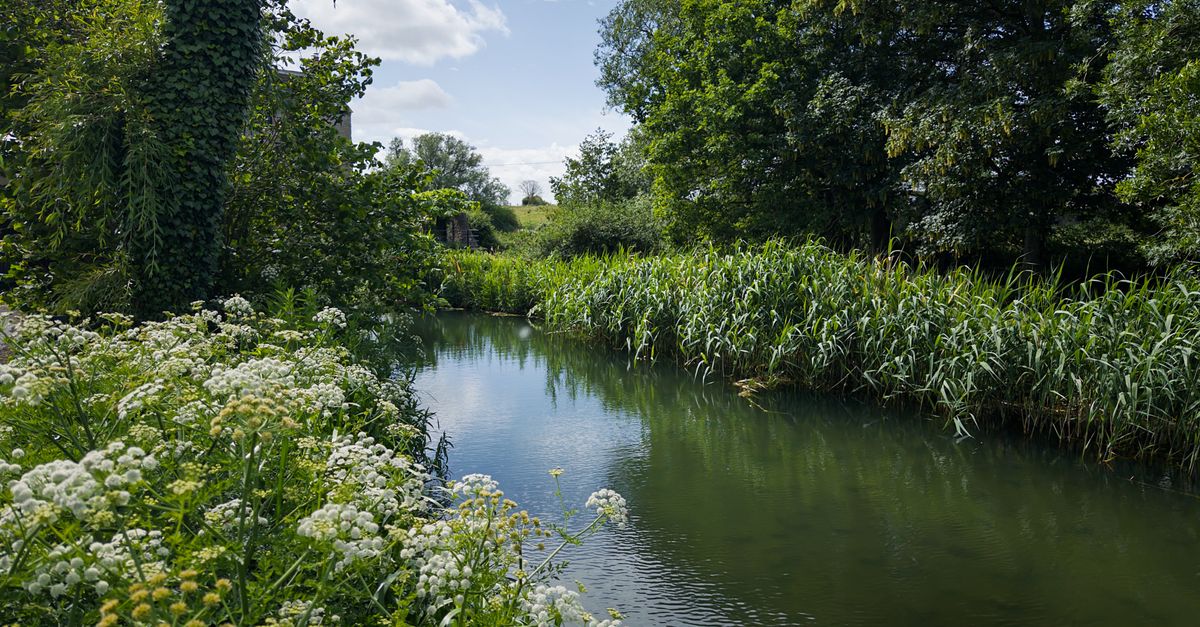
The River Test at Stockbridge and the Itchen through Winchester are water with a reputation: clear, spring-fed, and quick to show a trout. An angler on these beats reads the river like a page — water crowfoot, gravel seams, and rising brown trout tell the story.
Chalk streams run cool and alkaline. Their steady flows build insect life: mayfly, sedge, and midge. That abundance shaped a style of fishing. Dry-fly presentation, long leaders and subtle tippets were born where visibility is perfect and trout are selective.
Tradition, tackle and tactics
The dry-fly school and its debates over nymphs and upstream elegance belong to these rivers. Tactics favour a light touch: long casts, trailing loop drifts, and precise mends. The right rod makes delicacy possible; a slack hand ruins an otherwise perfect drift.
Bank-side character matters too. Watercress beds, mill channels and backwaters hold grayling and occasional pike in winter. Fish come from sight as much as sound. Waders get wet, boots get scuffed, but the take — a flash under a dry fly — is unmistakable.
A bright riffle, a trout sipping a dun, and the sudden bend of a rod. The chalk stream keeps its lessons simple and its rewards immediate.
Recommended: breathable chest waders