
The Smokehouse Story of Craster Kippers
Craster Kippers and the Northumberland Smokehouse
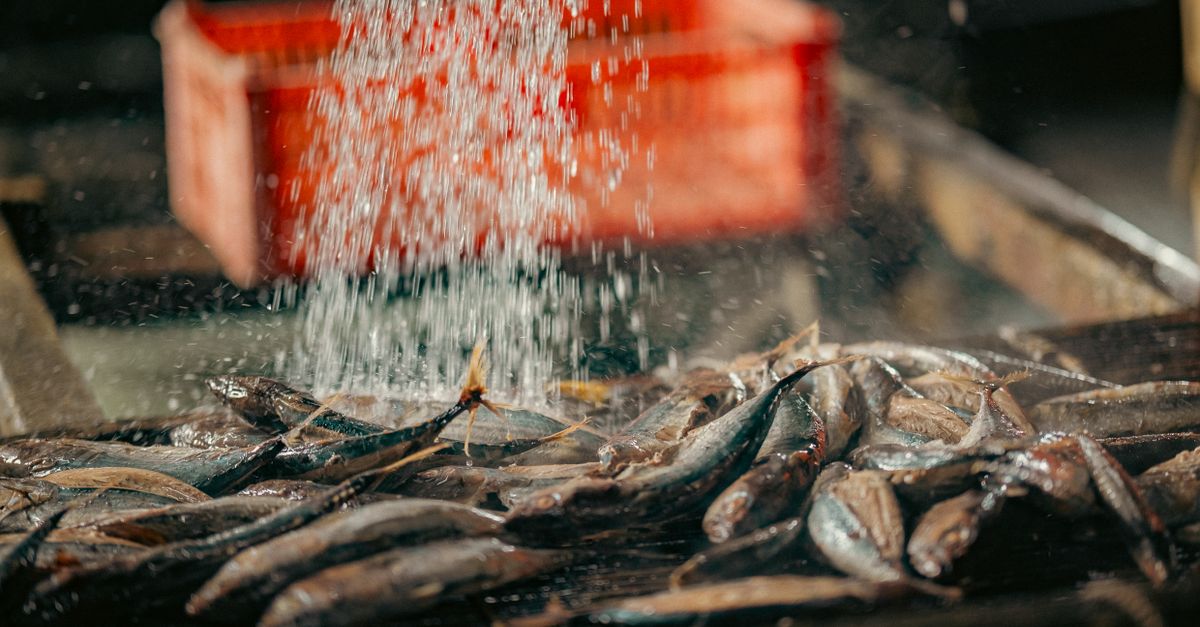
Since 1856, the Robson family smokehouse at Craster has turned North Sea herring into one of Britain’s most distinctive coastal foods. The village sits on Northumberland’s Heritage Coast, within sight of Dunstanburgh Castle, where the harbour still carries the atmosphere of the old herring yards.
These fish are the east coast’s silver darlings. Once landed cold and bright, each herring is split, cleaned and laid into brine for around twenty minutes. The work is brisk and practical: a splitting machine can process roughly 500 kilograms of fish in an hour, leaving the curing salt and smoke to create the character.
Fifteen hours over wood smoke
The prepared herrings are hung from tenterhooks and placed in the smokehouse for about fifteen to sixteen hours. Smouldering whitewood shavings and oak sawdust give the kippers their deep golden colour, firm texture and rich, salty edge. Nothing is rushed. The long, cool smoking period is what separates a traditional Craster kipper from an ordinary smoked fish.
In the village’s busiest herring days, around twenty boats worked the nearby grounds and as many as 25,000 fish could be handled in a single day. The trade fed towns across Britain, while the smokehouse preserved a taste of the North Sea for journeys inland.
Served warm with bread, butter and a squeeze of lemon, a Craster kipper belongs equally beside a breakfast plate or a late-night kitchen table. Outside, the tide darkens below Dunstanburgh, and the last smoke drifts over the harbour stones.
Recommended: Stainless fish smoking hooks