
Flounder at Dusk on the Dee Estuary
Flounder at Dusk on the Dee Estuary
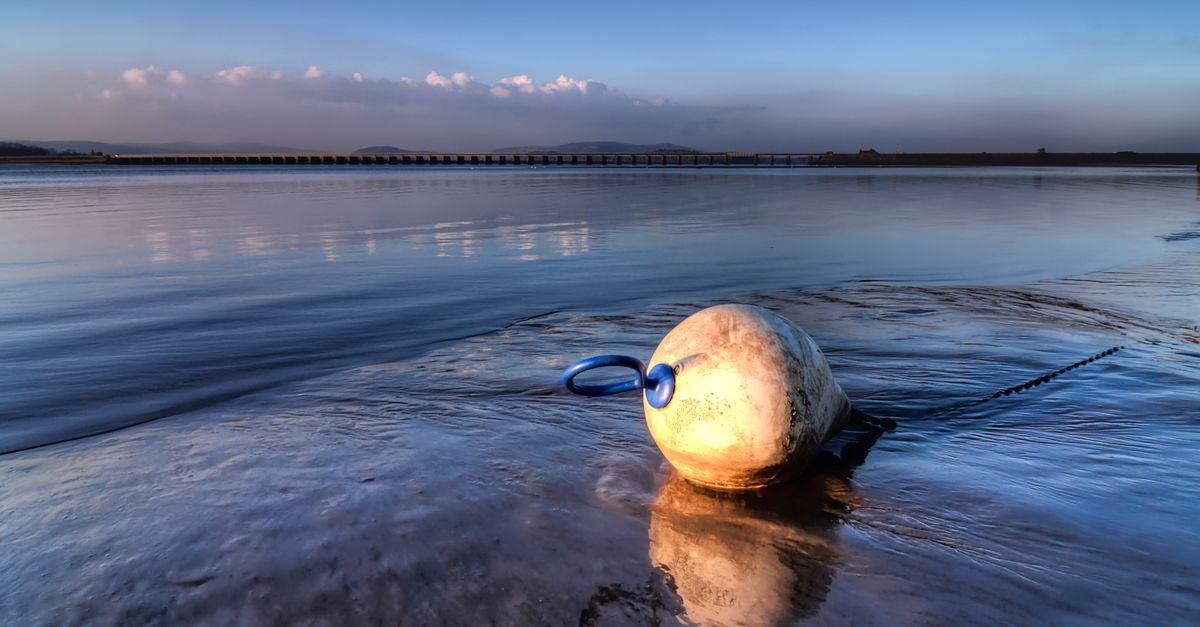
At dusk on the Dee Estuary, flounder leave the flat mud and patrol the edges of channels and narrow gullies. The last two hours of the ebb and the first push of flood are prime time, especially where the current tightens between Saltney and Queensferry, below Hawarden Bridge, around Connah's Quay and along Oakenholt Shore.
Finding the channel edge
The best marks are not always the deepest water. A muddy lip beside a channel gives flounder a steady food belt, where worms and small prey are exposed as the tide drains away. Casting slightly up-tide lets the lead settle near this seam. The rig should creep briefly, then hold; bites often arrive as the line swings around and pauses.
A 10 to 11 ft rod, 15 to 20 lb main line and a simple light ledger rig make a practical Dee outfit. Light is relative here: the tidal pull commonly demands a 125 g sinker, with 150 g needed when the flow is strong. A two-hook flapper or single-hook running ledger keeps the bait close to the bottom without unnecessary hardware.
Ragworm and lugworm are dependable baits from summer into autumn. A small, neat presentation suits the flounder's slow take, while a little extra scent can help in coloured water. School whiting and pouting may join the catch, with occasional bass or eel from the same soft ground. As darkness settles over the inner estuary, the rod tip gives a slow knock, the line slackens, and a broad flounder lies bright against the mud.
Recommended: 125 g sea fishing sinker