
Dusk Caddis on the River Frome
Maiden Newton beat on the River Frome: 3lb trout rising at dusk
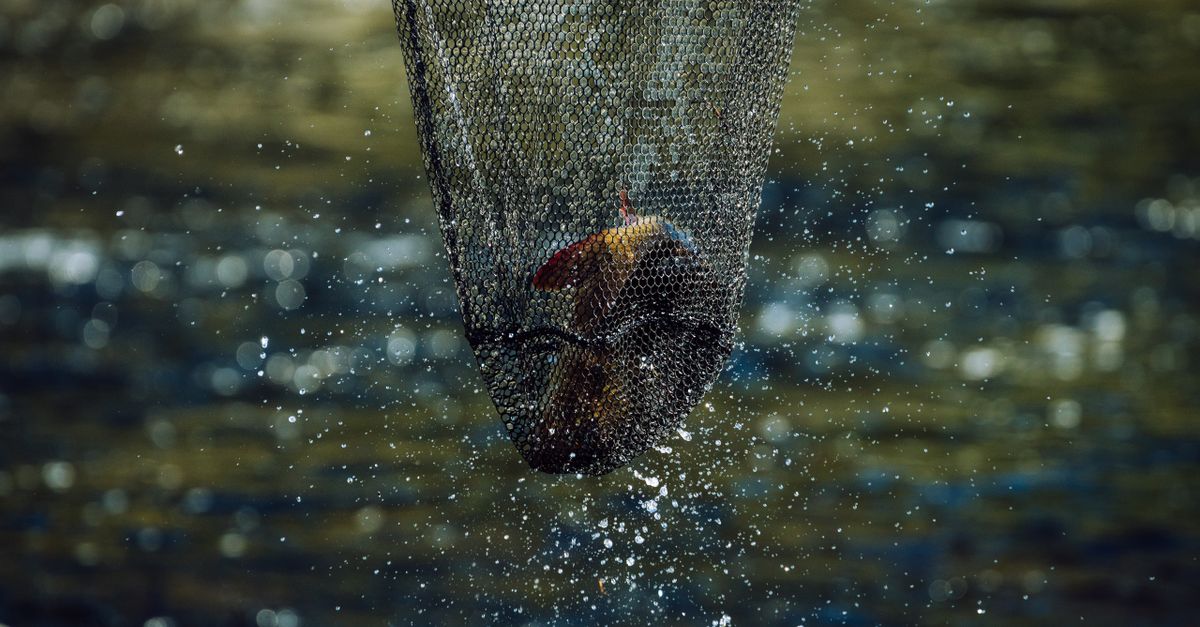
Maiden Newton, Dorchester and Stratton beats on the River Frome produce steady evening rises when caddis and pale wateries build into the last light. Wild brown trout over 2lb are regular; specimens nudging 3lb or more will take surface insects as the glare falls away.
Timing and low‑light cues
Late afternoon mattering more than midday is the rule here; hatches often push on through warm July and August evenings and linger into autumn. The key cues are dimpling and steady single rises rather than splashy surface feeding. On the chalkstream trout switch from nymphing to sipping adults as insects lift in waves.Presentation is precise: start with a small dry and then offer finer, sparser patterns if refusals appear. A long leader and a quiet approach keep drag off the fly; fish the softer seams, weed edges and pace changes where trout hold and intercept with minimal effort.
On beats around Muckleford and upstream of Dorchester, sight‑fishing lanes are obvious at dusk — pale sedges, blue‑winged olives and caddis cluster over slow water. When the light drops, stepped leaders and smaller tippets often outfish brute casting.
Evening on the Frome can close fast: a soft dimpling lane, a drifting dry fly and then the low flash as a brown trout takes a caddis in the last flush of daylight.
Recommended: caddis olive dry flies