
Dusk Shoals on the Hebridean Skerries
Trotternish, Isle of Skye: dusk shoals and tide lines
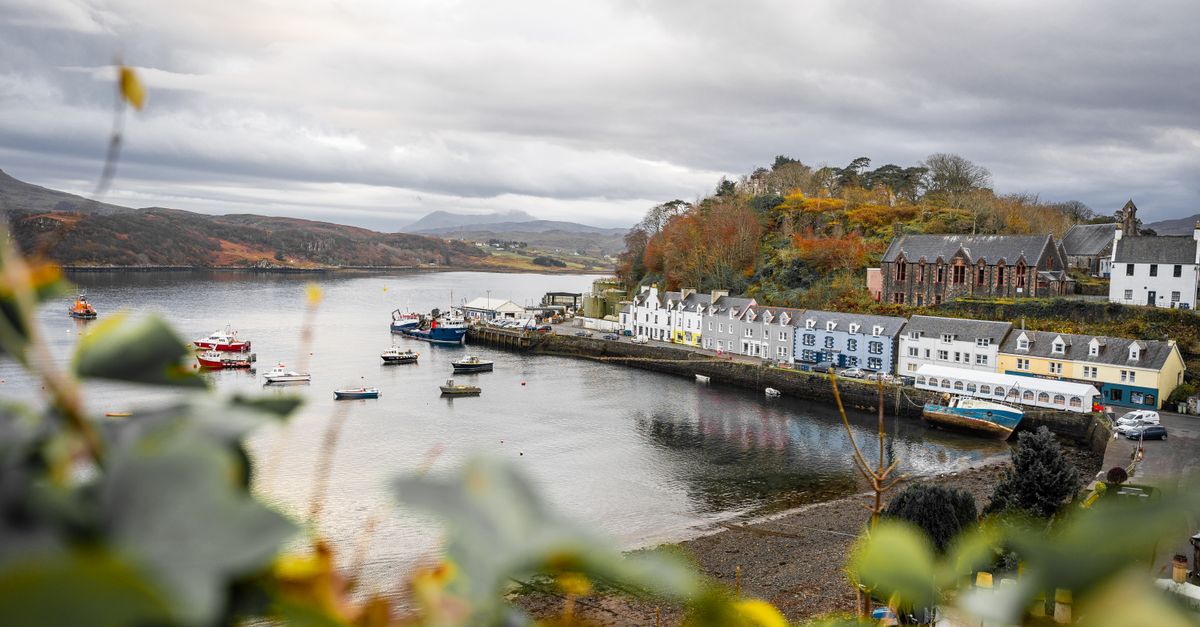
Trotternish sees pollack and saithe sharpen activity in the last light, moving from deep holds into the kelp rims and rocky gullies as baitfish compress near the surface. The pattern is clear: flood or the first push of the ebb sets the bait rising, and the predators switch from holding 40–100 m marks to patrolling shoulders at 10–20 m.
On north Skye headlands and offshore skerries, Ballenaleck-style ledges and tide-swept reef shoulders light up from the last hour before sunset into nautical twilight. Saithe arrive as loose shoals chasing herring, sprat, sandeel and Norway pout; pollack patrol harder ground for bigger prey.
Tactics and tackle
Work slim profiles: metal jigs and sandeel imitations in 20–60 g for casts, 60–100 g if the run needs holding. A 2.7–3.0 m rod with 20–30 lb braid and a short 20–40 lb fluorocarbon leader keeps contact on rock marks. Fast retrieves with sharp pauses win strikes on the turn or as the tide first starts to bite.
Size shows by structure: big pollack favour deeper rock edges, saithe erupt as moving shoals and can vanish when the bait gets pushed off a headland. By nautical twilight the shoal line will often run silver along the kelp edge and the sound of strikes carries across the skerry like a coming tide.
Recommended: saltwater casting rod