
Evening Insect Pulses on the Test
The River Test's grannom surge in late April drags brown trout from shaded lies into narrow feeding corridors along seams and glides.
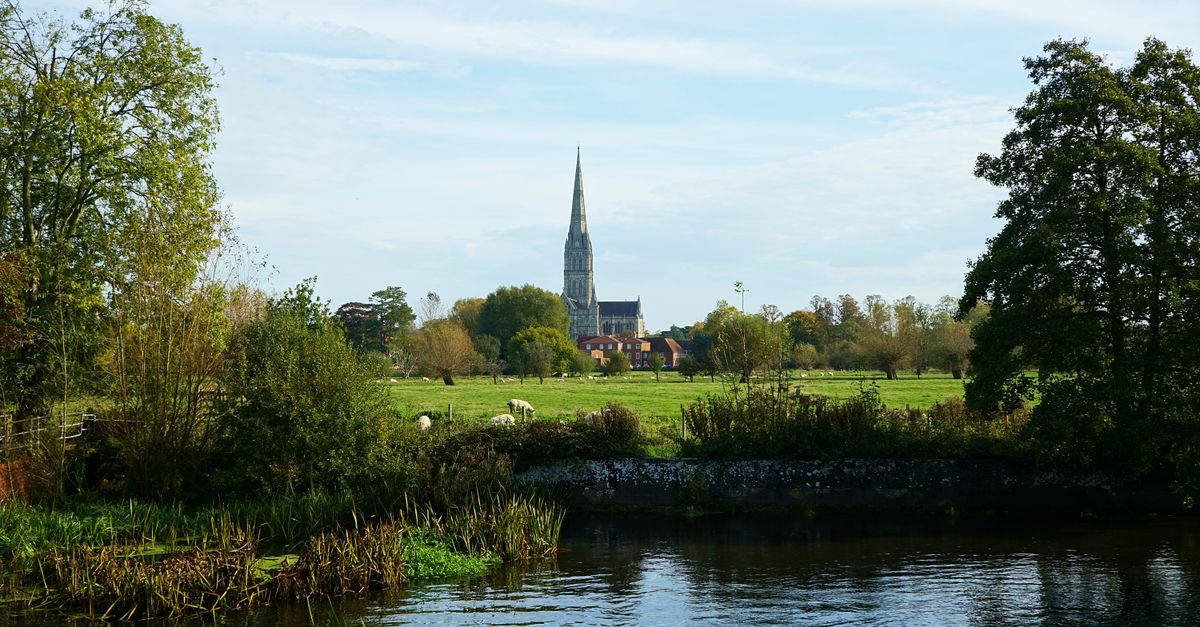
The classic Hampshire chalk stream runs gin-clear, supporting an astonishing invertebrate mix that includes grannom, mayfly (the Green Drake window), caddis, olives, sedges and midges. Evening emergence and returning spinners concentrate on margins, creating strips of food fish can’t ignore.
Feeding corridors & timing
Trout shift into feeding lies where currents converge. Look for 0.5–1.5 m glides, soft inside bends, crease lines and tailouts below weed rafts. The strongest action starts at dusk and carries into early darkness as surface film thins and insects stack along edges.
Practical choices matter: small upwing fly patterns and midge imitations in #16–#22 are vital when olives and midges dominate; larger mayfly imitations work through the late May–June window. Present to seams and soft currents where drifting food concentrates; light tippets and subtle droppers win more often than flash.
Conservation-minded anglers watch insect pulses as much as catches. On the Test, a single evening hatch can change trout distribution across a beat; at true dusk the surface can break in a dozen small, bright rings as a brown trout inhales a spinner beneath a soft inside bend.
Recommended: breathable fishing waders