
Evening Stalking on the Frome
Stratton beat lights up with sedges on warm July evenings
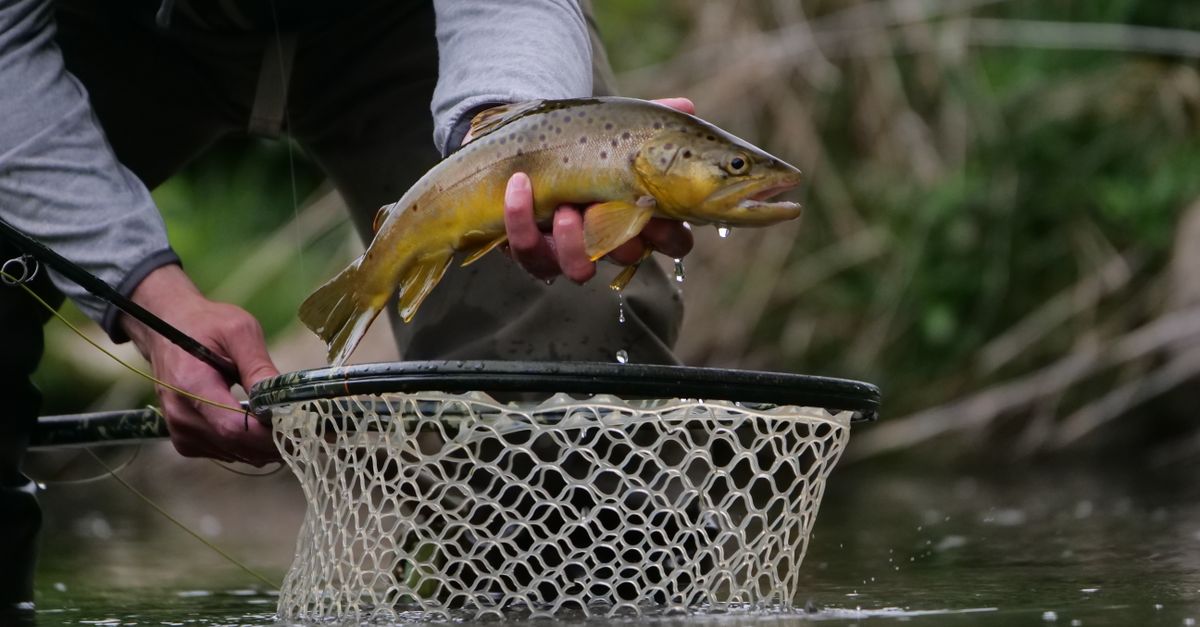
On the River Frome in Dorset, sewin and wild brown trout feed hard into dusk; anglers pick the shadow bank, keep silhouettes low, and favour short, precise presentations. Tight water at Gaston Bridge and the Wrackleford reaches punishes any broad movement. A 7.5 ft rod with a 3–4 wt floating line suits the close quarters; casts are often underhand and no farther than the downstream tail of a glide.
Bank positioning is simple: fish the shadow side first, use overhang and weed fringes, and stay back in low water. On double-bank beats stay off bright riffles and present to seams and foam lines where trout cruise last. When stalking, keep the rod tip low and walk a step at a time to avoid spooking fish into the light.
Managing low light
Begin with a taper that gives turnover in short casts; shorten the leader as light fails to prevent wind knots and to improve accuracy. Keep the leader off the water and land flies upstream with no slack through the final 1–2 m of drift. For knots use a blood knot for butt sections and a Uni knot to tie tippet to the fly—trim tag ends closely.
Three quick leader/tippet swaps for dusk rises: a 9 ft tapered leader to 5X with a small olive or sedge for general dusk dry-fly work; a 10–12 ft leader to 6X for fussy fish on flat glides; and an 8–9 ft leader to 4X–5X when working larger sedges or tempting late, bigger fish. The last light often rewards the stealthy angler; a pale sedge drifts, a trout breaks the surface under chalkstream glow.
Recommended: fluro tippet spool