
Hickling Broad Rudd on a Simple Waggler
Hickling Broad Rudd: The Clear-Pocket Waggler
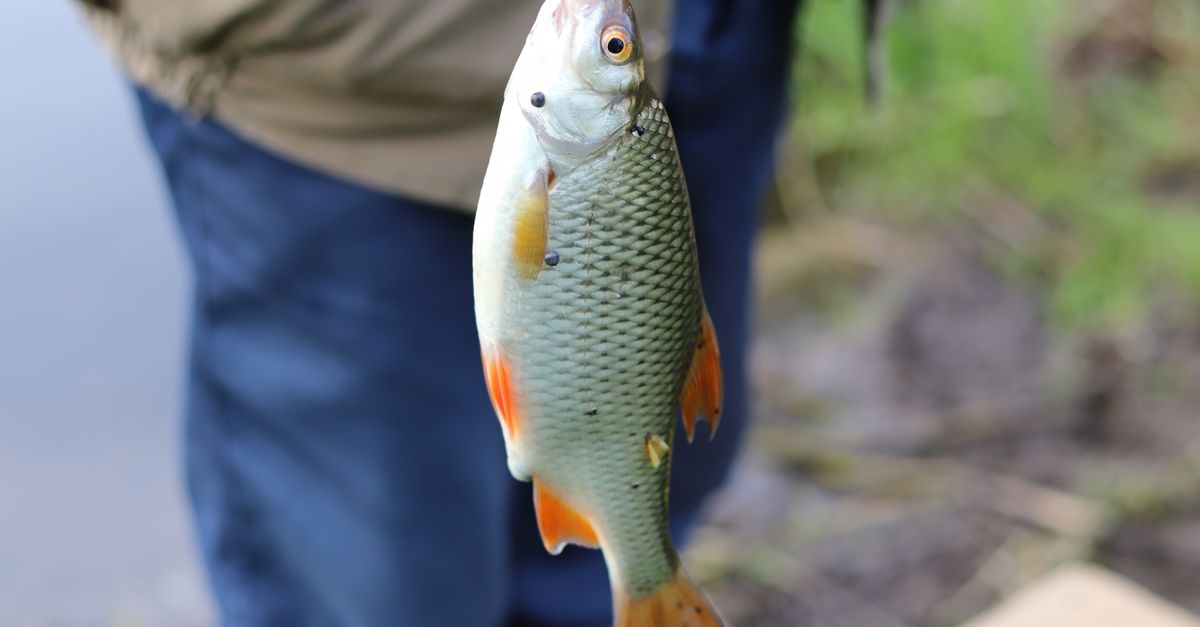
Hickling Broad’s lily pads and reed-fringed margins hold rudd that can vanish at the first sign of a careless cast. In the clear pockets between the pads, a simple waggler-float setup gives a beginner control, delicacy and enough accuracy to place bait beside cover without crashing into it. The Norfolk Broads are known for better rudd than many newcomers expect, with Hickling Broad, Upper Thurne and the Trinity Broads all offering classic shallow-water sport.
A light rig for wary fish
A 2lb to 4lb reel line matched to a 1lb to 3lb hooklength keeps the presentation neat. A size 20 to 12 hook covers maggots, casters, bread flake and small pieces of sweetcorn. On calm water, a fine-tipped loaded waggler is easy to see and casts cleanly; a straight waggler suits a close margin swim. The float should be shotted lightly enough to register a lift, dip or sideways slide.
Plumbing the swim comes first. The bait can begin just off the bottom, then be raised if rudd show under the surface or intercept offerings on the drop. A shallow setting is especially effective in warm, still conditions, while slight overdepth helps when fish retreat beneath the lily-pad canopy. Feed little and often: two or three maggots, a few casters or a pinch of loose corn is plenty for each cast.
Short, accurate casts are safer than long ones beside tight reed beds. The rig should land beyond the target, then be eased into the clear pocket with minimal disturbance. When the float disappears, the strike is a smooth lift rather than a violent sweep, followed by steady pressure to guide the fish away from stems. A landing net matters because a lively rudd can turn sharply at the edge.
As the Norfolk light fades, the float settles beside a dark lily leaf, the bait sinks through the clear water and a silver-gold rudd slides out from the pads.
Recommended: Lightweight coarse fishing net