
Houghton and the River Test: birthplace of modern chalk‑stream fly craft
Houghton on the River Test: gin‑clear water and the dry fly
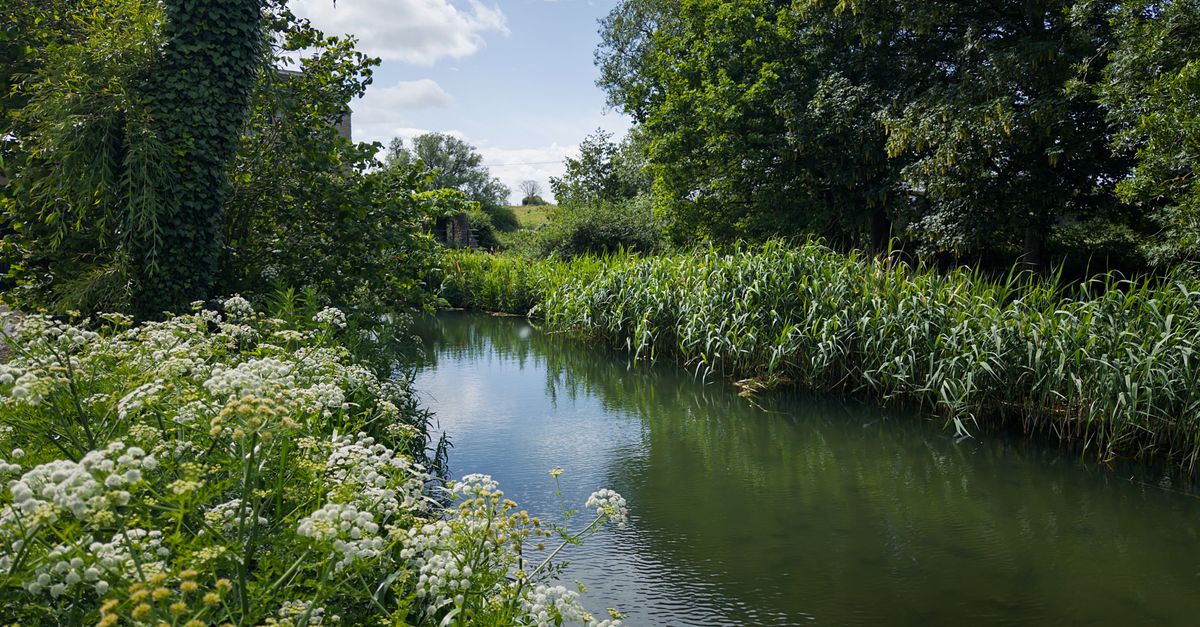
Houghton shoulder‑plates the Test like a living postcard: clear water over clean gravel, a silvery run, the constant hiss of tufa and chalk beneath. Anglers learned to read that glass. They learned to present a single dry fly so lightly a mayfly seemed to land of its own accord.
Chalk streams are folded through limestone aquifers. The water is cold, mineral‑soft and steady. Brown trout live here lean and bright. Grayling appear in the slower tailouts, dorsal fins like serrated leaves when the light hits.
Technique and controversy
Dry‑fly technique hardened into tradition on Test beats: long, tapered leaders, precise upstream casts, delicate dressing on flies that imitate local Ephemera and Rhithrogena. Frederic M. Halford championed that surface purity. G.E.M. Skues pushed the contrary case for nymphs beneath the surface. The debate sharpened the craft—presentation, stealth, reading lies—more than it split anglers.
Stalking trout on a chalk stream is patience turned practical. The beat, the fly rod and a pair of quiet waders are as essential as local knowledge. A fly rests on the glass; everything waits. Then the trout rises, an absolute motion, and the day answers with a tug.
Recommended: waterproof chest waders