
Klinkhåmer Duo for Dovedale Grayling
River Dove Klinkhåmer Duo for Grayling
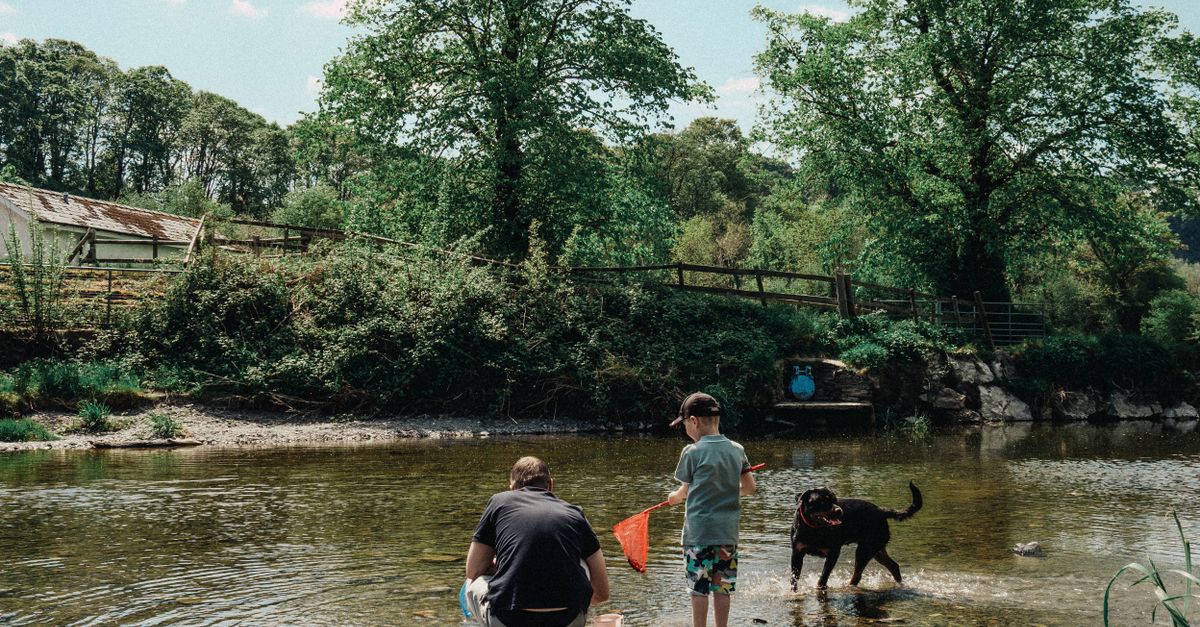
At Dovedale, the River Dove slips over pale gravel in clear, shallow runs where grayling often remain active through the colder months. A Klinkhåmer Special makes an excellent sighter here: it rides high, shows delicate takes and carries one small nymph into the feeding lane beneath it.
Build the rig for clean gravel runs
A 9 ft 3–4 wt rod suits this style perfectly. Set up with about 5 ft of floating polyleader and roughly 6 ft of 4 lb co-polymer tippet. Tie a buoyant size 12 Klinkhåmer to the tippet, then attach the nymph from the Klink’s hook bend. An 18-inch drop is a reliable starting point; extend it towards 4 ft when the run is deeper or the current pushes harder.
Choose a small Pheasant Tail, Hare’s Ear, Killer Bug or shrimp-style nymph, usually with a 1.5–2.5 mm tungsten bead. The best water is normally 3–7 ft deep, with a steady glide rather than a racing current. Stand close enough to keep the main drift within two rod-lengths, but avoid stepping onto the shallow gravel that grayling use as a station.
Cast slightly upstream and maintain a light, tight connection without dragging the Klinkhåmer. The nymph should tick close to the riverbed while the top fly travels naturally. Any dip, hesitation or sideways slide is a take, so the rod tip should lift immediately. After five or six clean casts, move a few yards to the next seam. In the soft autumn light, the bright Klinkhåmer tracks above the Dove while the tiny bead nymph works unseen between the stones.