
Late-August Barbel on the Hampshire Avon
Fordingbridge Barbel at First Light
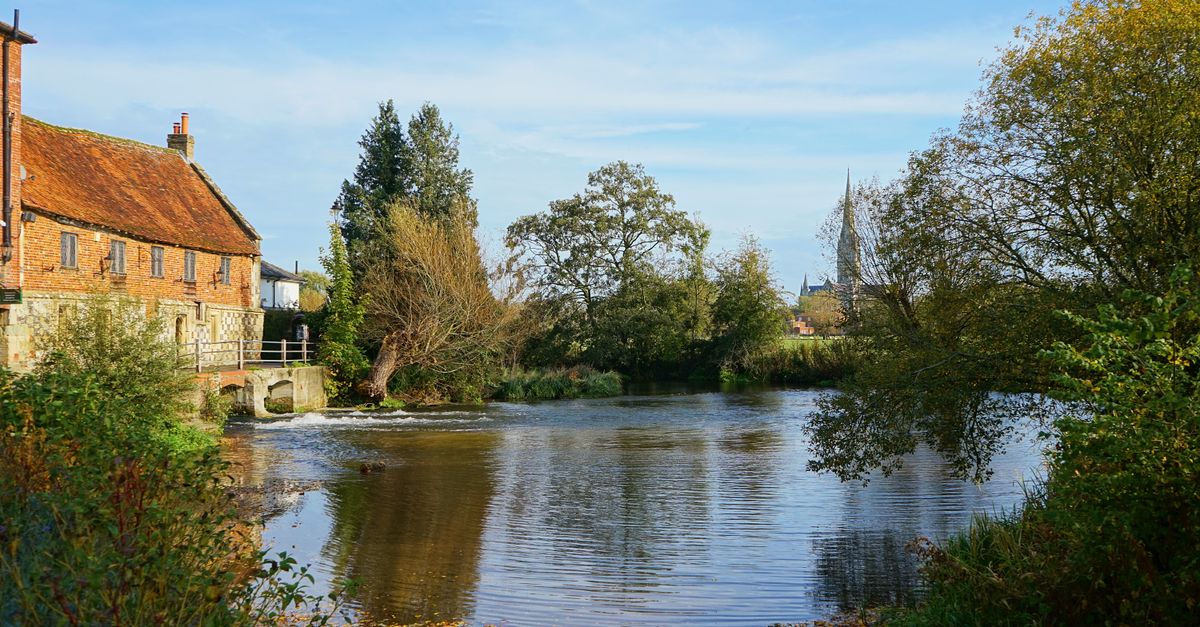
At 0.57 m around East Mills in Fordingbridge, the Hampshire Avon is low enough for careful dawn trotting rather than heavy flood tactics. The Bowerwood Road reading, at 0.44 m and steady, points to settled conditions. Clear glides, inside lines and deeper streamer channels should be watched closely before the sun reaches the water.
What is biting this morning
Barbel remain the main target between Fordingbridge and Ringwood, with chub a realistic bonus in slower margins and crease lines. Late August is the opening of the stronger autumn build-up; the best run of larger fish normally arrives as cooler nights freshen the river through September and into November.
A small cheese paste hookbait is well suited to the Avon today. It can be mounted on a size 10 or 12 hook and introduced over a narrow trickle of hemp. Big handfuls scatter fish in a low river, while a steady feed keeps barbel grubbing confidently without pulling them away from the float line.
The first trot should cover roughly four to eight feet of water, adjusted for the pace and depth of each glide. A 6–8 lb main line, a slightly stronger hooklength and a sensitive trotting float give enough control without making the tackle clumsy. The float should run close to the crease, with the bait held just above the riverbed.
East Mills Weir, the East Mills Flume and the quieter edges near Roman Quay, Timbermill Court and Bowerwood offer useful starting water. As the light strengthens, fish may drop into shade or deeper channels. The Avon still carries late-summer warmth, but a cool night or small rise in flow can switch the barbel on, leaving the landing net trembling in the grey dawn.