
Reading Loch Awe’s Elusive Ferox Trout
Loch Awe Ferox Trout: The Deep-Water Hunt
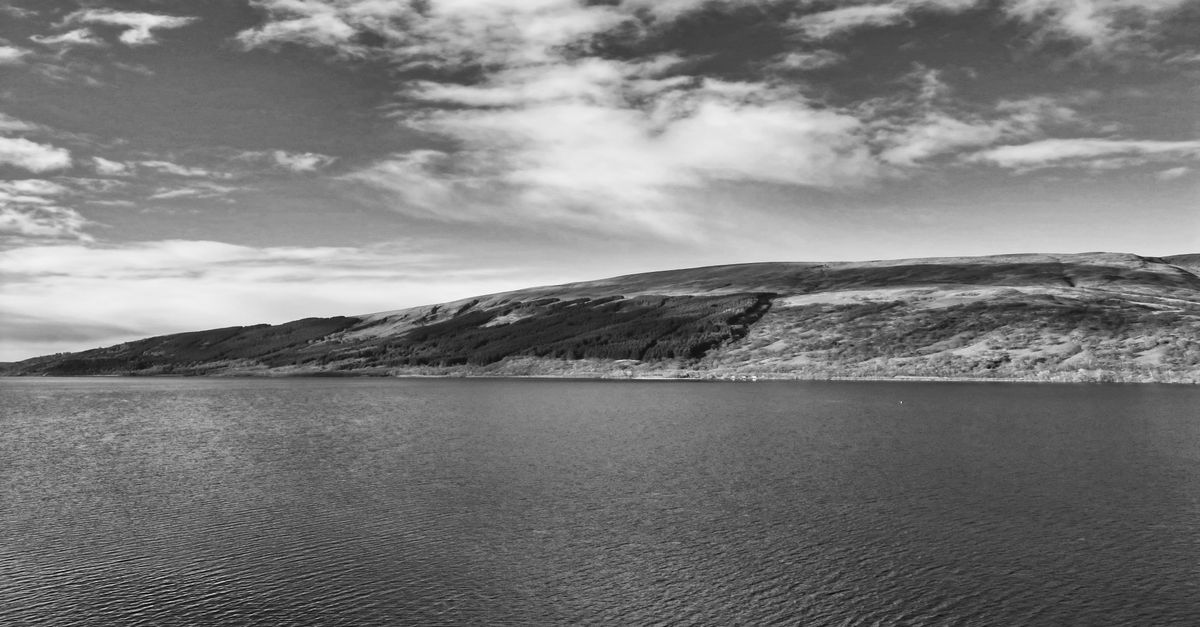
Loch Awe produced the UK rod-caught ferox record at 31 lb 12 oz, a fish built for the loch's dark shelves and abundant prey. These are long-lived, late-maturing brown trout with a strong habit of hunting fish rather than insects. Charr and whitefish make the great Scottish water an ideal home for a powerful, deep-running predator.
Find the Structure, Not Empty Water
The best approach begins with the lakebed. Ferox regularly patrol shelf edges, drop-offs and the seams where a wind lane pushes food across deeper water. Random trolling over open water wastes time; a long, controlled pass along a contour gives the lure a reason to be there. In clear conditions, fish can sometimes lie only 10 to 15 feet down, while bright daylight often sends them tighter to deep structure.
A salmon spinning rod gives enough backbone for a heavy trout and a firm hook-set, while a rig that resists line twist keeps a trolled lure working properly. Rapala-style minnows, spoons, Devon spinners and artificial minnows all have a place. A slow-sinking lure is particularly useful when the fish are holding above a shelf, allowing steady speed without scraping bottom.
April and May are dependable months for a weekend expedition, with cool water and active prey creating long feeding windows. Slow trolling is the key: the boat should creep across the edge, then repeat any pass that crosses a deep mark or concentrated bait. Some anglers use a downrigger to reach the lower water, while others cover the upper edge with intermediate tackle and a long line behind the boat.
Ferox fishing rewards patience rather than constant changes. Wind can form a productive lane, darkness can draw large trout towards the margins, and one heavy bump may reveal more than an hour of empty sonar. On Loch Awe, the final image is often a broad silver flank rising from green-black water beside a quiet Scottish shoreline.
Recommended: Ferox trout slow-sinking lure