
Loch Leven Bank Trout: The Right Buzzer Setup
Loch Leven trout fishing starts at Kinross Harbour
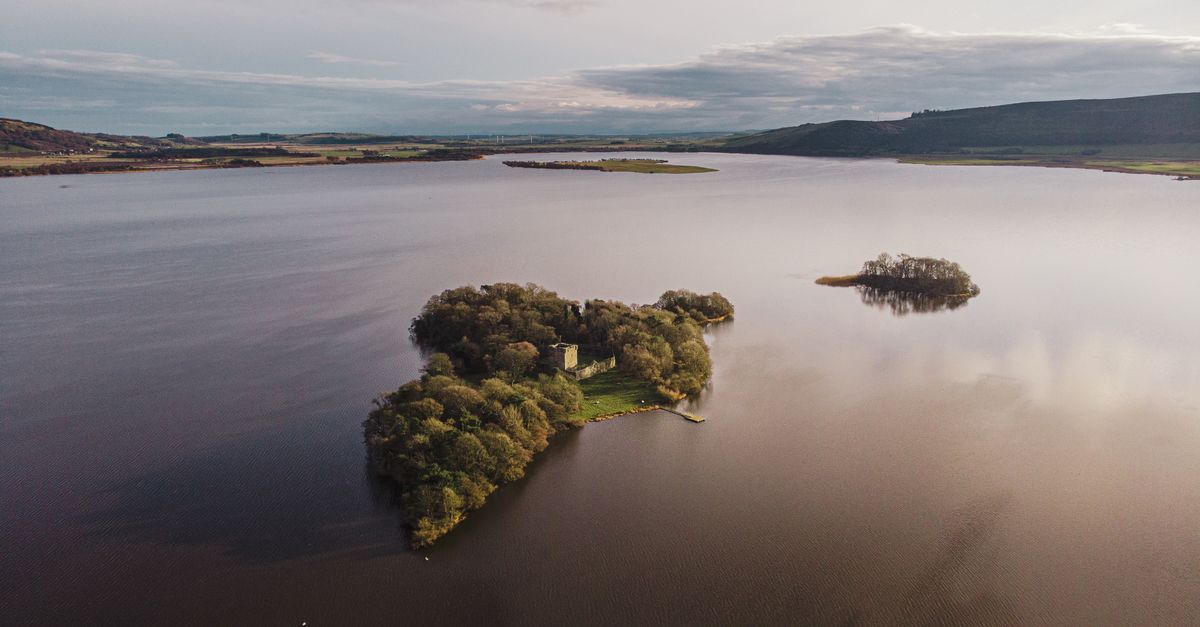
Loch Leven runs for roughly 23 kilometres around its famous islands and reed-fringed bays, but the beginner’s floating-line buzzer session near Kinross begins from a day boat rather than the shoreline. The fishery base at The Pier gives access to the south-western drift, where wild brown trout feed as the water warms and hatches build.
A simple floating-line outfit
A nine-foot 5-weight or 6-weight fly rod paired with a floating line is a dependable first outfit. Add a nine- to twelve-foot tapered leader, then tie on a slim black or brown buzzer with a reliable improved clinch knot. Thin tippet helps the fly sink naturally, while a floating line keeps the cast easy to lift and mend from the boat.
Beginners should avoid bombing long casts across open water. A short, controlled cast ahead of the boat, followed by a slow hand-twist retrieve, keeps the buzzer in the feeding zone and makes takes easier to read. The boat drift does much of the work. The fly should hang and rise subtly, not race back through the waves.
Settled, warming weather often brings olive and buzzer activity. Early in the session, a steady retrieve can find a searching trout; later, pauses allow the buzzer to sit beneath the surface film. A sharp pull followed by slack line is a common way to lose a fish, so the rod tip stays low and the line remains lightly tensioned.
Kinross Harbour is the practical starting point, with Kirkgate Park, Burleigh Sands and Findatie useful landmarks around the loch. The deep Hole o’ Inch is another recognised feature, though changing wind matters more than any fixed mark. Anglers wanting genuine bank fishing around Kinross are better served by Kinross Trout Fishery at Heatheryford, while Loch Leven offers its best buzzer lesson from a quiet boat drifting across the Scottish water.
Recommended: Compact fly knot tool