
Lyme Regis Pollack at First Light
Lyme Regis Pollack at First Light
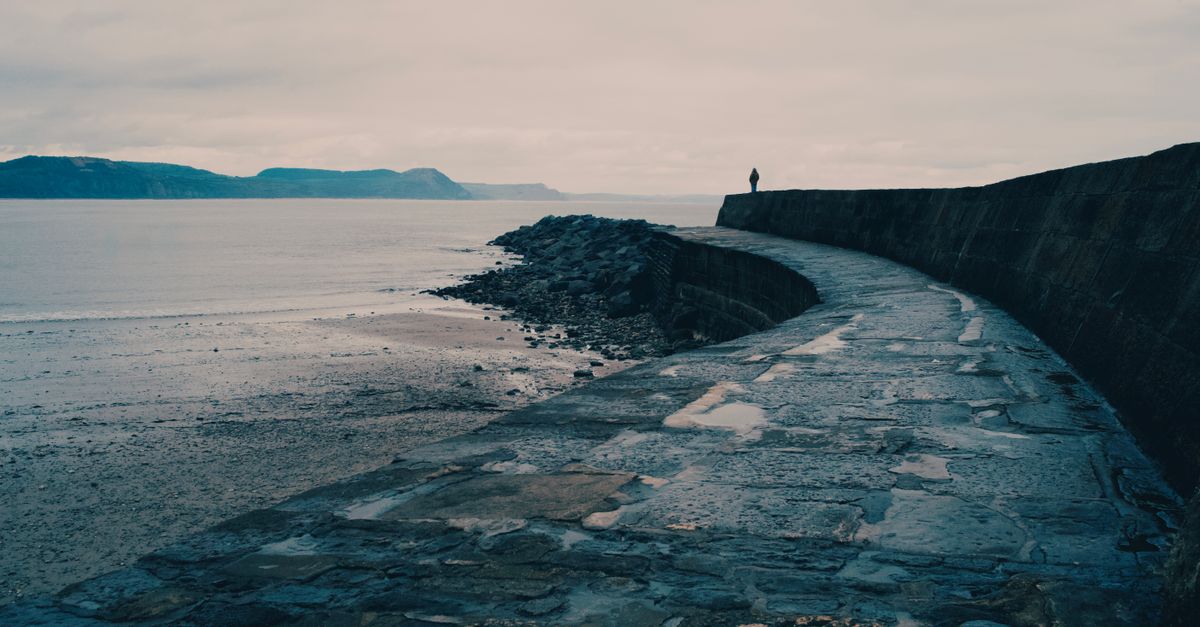
Early September brings a reliable burst of shallow-water sport to the Lyme Regis ledges, with pollack hunting reefy ground around first light. The best window is usually the flood tide, although the first push of the ebb can keep fish feeding around kelp beds, gullies and broken rock. Light shads and small metal jigs are the most useful tools when the sea is carrying a gentle run.
Church Cliff Beach is the key mark on the Lyme Regis side, while the rough ground west of the Cobb adds deeper gutters and mixed reef-to-sand edges. Pollack often sit high in the water at dawn, particularly when the water is clear and the tide is moving steadily. Mackerel and garfish may slash through the same ground, while wrasse hold tight to the kelp and rock.
Read the Tide and Ledges
Short to medium casts are enough from these platforms. A light soft plastic worked just above the snags can draw smaller pollack from the inside edge of a ledge; when the tide pushes harder, the outer face and deeper kelp gutters are more likely to produce better fish. A compact metal jig around 10 to 30 grams covers the close-range water without overpowering the light approach.
Snags are part of the mark, so lure control matters more than distance. The jig should flutter down beside the rock before being lifted in short, sharp turns, while a shad can be allowed to swim across the face of the ledge. Stronger tackle earns its place only when the run is heavy or the fish are being pulled from serious kelp.
Recent local conditions have brought sunny intervals, and the early-autumn pattern still feels much like summer on the Lyme Regis coast. Dawn is the cleanest bet, with dusk another strong spell. As the first light reaches the Cobb and the gulls begin working over the channel, the pollack move out from the weed and hammer the lure beside the dark ledges.
Recommended: Compact metal fishing jigs