
The Silver Flash of Mevagissey
The Silver Flash of Mevagissey
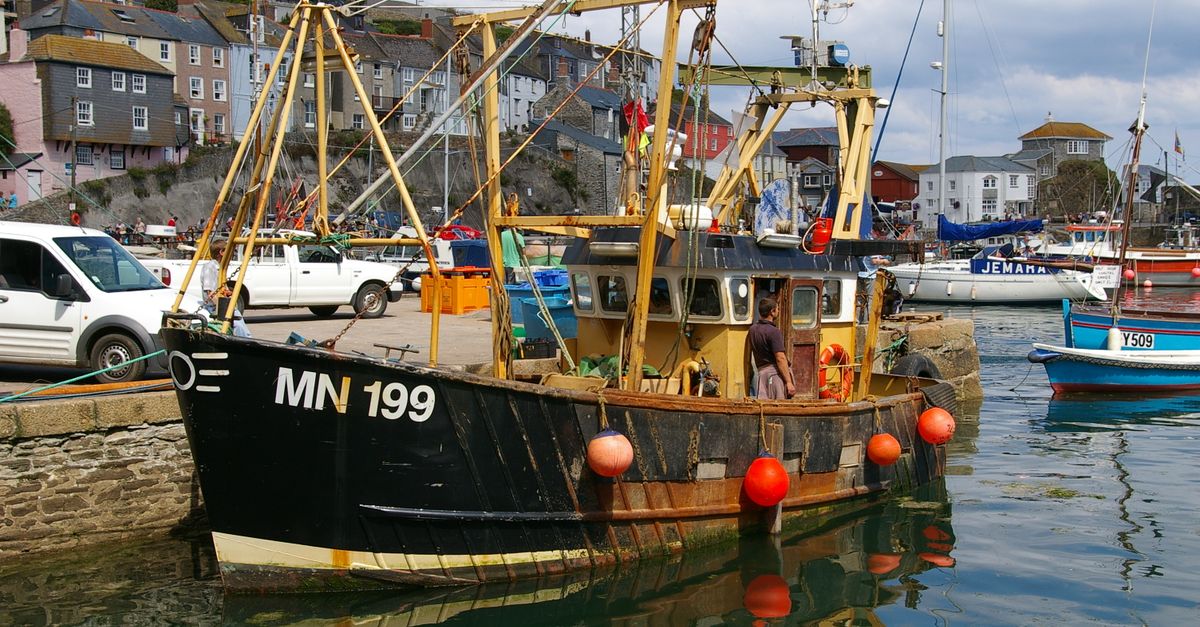
In 1816, a night of fishing in Mevagissey Bay enclosed 12,000 hogsheads of pilchards, with as many as 9,000 landed locally. The figures sound enormous, yet the old Cornish seine fishery depended on delicate observation rather than brute force. From the harbour, crews watched the water for a darkening patch, a sudden flicker, or the huer’s cry of “hevva” announcing fish close inshore.
These were European pilchards, the fish commonly sold today as Cornish sardines. Mevagissey boats worked the bay and nearby grounds, while related crews sailed from Newlyn, Falmouth and Plymouth. The shoals moved with tide, light and shelter, and the lookout’s trained eye could matter more than any chart. A silver flash beneath a calm surface might send an entire crew into motion.
Seine work beneath the harbour lights
A principal boat could carry a seine net about 190 fathoms long and between 11 and 13 fathoms deep. One fathom measured six feet, making the gear a vast curtain in the sea. The boat laid it around the shoal while smaller craft helped close the circle, drawing the living silver towards the waiting harbour.
Mevagissey once supported dozens of seines backed by local shareholders. Summer belonged to pilchards; winter brought herring, and spring brought mackerel. The catch was salted, packed and shipped, but some stayed close to home, sizzling in a pan with onions, herbs and a little vinegar. A modern Cornish sardine supper still carries that old harbour character: oily fish, crisp bread, and the smell of salt on the evening air.
After dark, the same coastline becomes a stage for memory. Small boats rest against the quay, gulls call above the roofs, and the black water of Mevagissey Bay hides the shoals that once made an entire village move as one.
Recommended: Home fish smoking rack