
Why Norfolk Broads Rudd Hold Beneath Lily Pads at Dusk
Norfolk Broads Rudd Under the Lily Pads
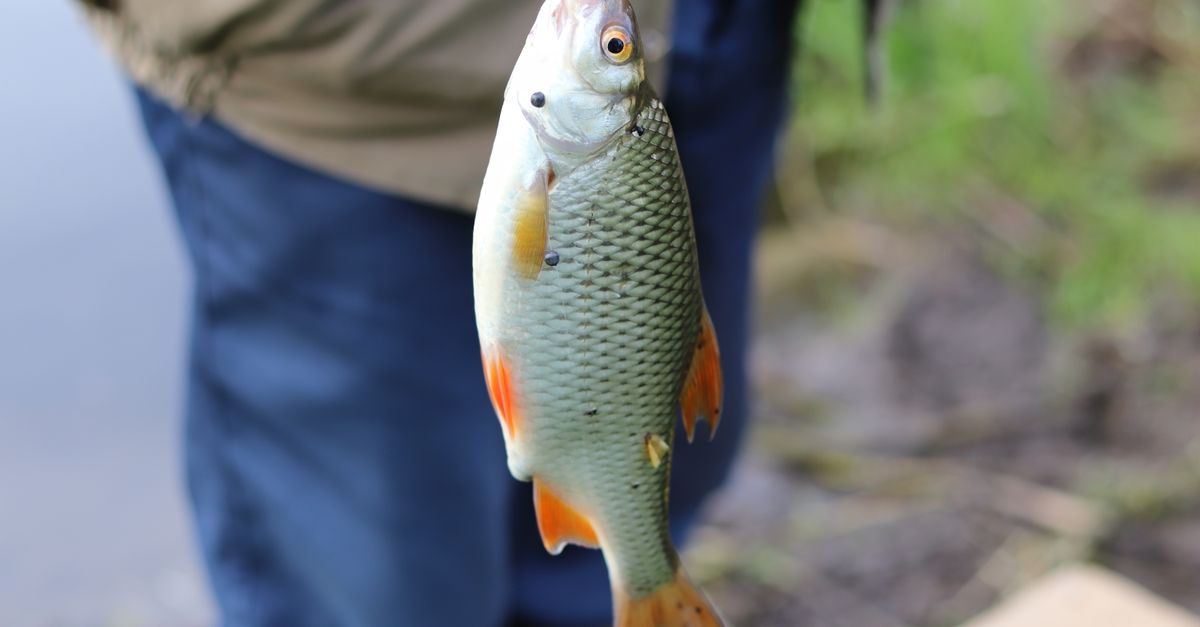
At dusk on Hickling Broad, rudd slide beneath the lily pads as the last light leaves the reed beds. The pattern is repeated around Barton Broad, Ormesby Broad and the quieter bays near Ludham Bridge. These lively silver fish are easily spooked in daylight, yet the pad edge gives them shade, cover and a steady supply of food.
The key is movement on the surface. A light breeze creates narrow wind lanes across otherwise still water, carrying tiny insects and fragments of weed towards the lilies. Rudd wait just under that drifting line, often high in the water, where they can pick off food without exposing themselves over open ground. The same shelter also helps them avoid sudden shadows from passing boats and birds.
Reading the evening swim
Quiet bays and reed margins on the River Thurne, Filby Broad, Rollesby Broad and around Potter Heigham are classic places to look. A shallow waggler fished just under the surface, or allowed to sink slowly, keeps the bait in the rudd's feeding layer. Maggots, casters, bread flake and sweetcorn all work, but small offerings matter more than a heavy carpet of feed.
A few maggots every couple of minutes keeps fish competing without pulling them away from the pads. Small groundbait balls, roughly golf-ball size, can steady the swim when the wind lane shifts. A light float rod, fine line and a size 16 or 18 hook suit the clear, sheltered water, where a careless splash can empty the margin in seconds.
Rudd share these Broads swims with roach, bream, perch and pike, so the float may vanish with a sharp jab or a slow lift. As twilight deepens, the lily leaves become black shapes against bronze water, and each quiet dimple beneath them marks another fish feeding in the insect drift.
Recommended: Lightweight coarse fishing rod