
North Country Spiders on the Wharfe
North Country Spiders on the Wharfe
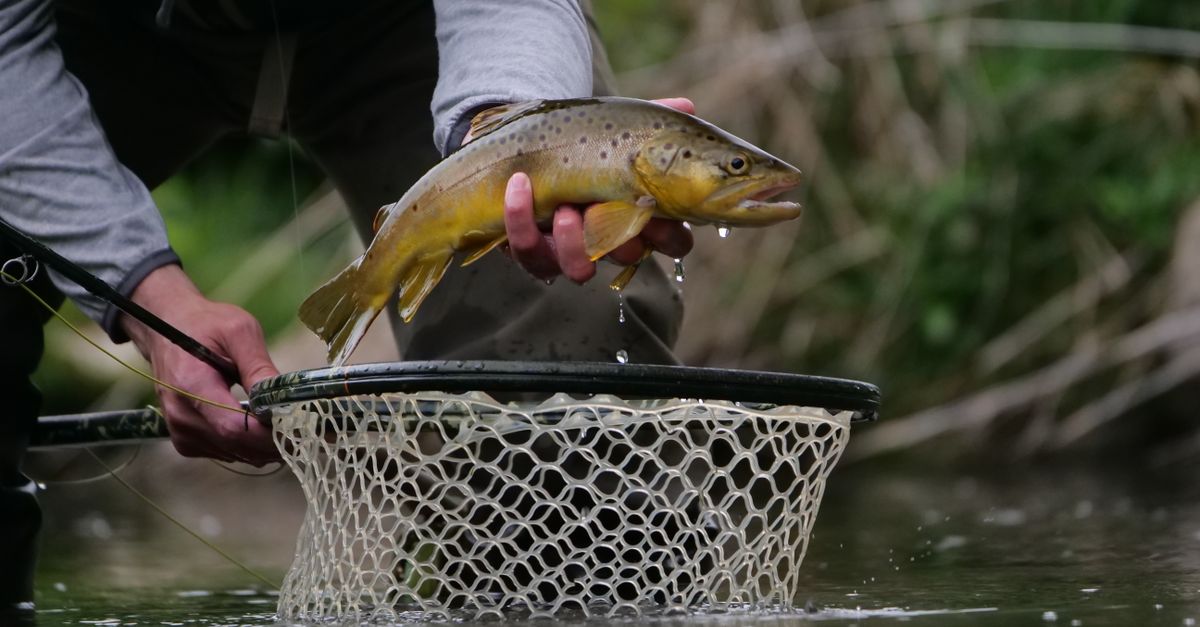
On the rocky upper River Wharfe near Burnsall, a brown trout can rise to a fly that looks almost too slight to matter. That was the quiet genius of the North Country spider: a sparse soft-hackle fly made for Yorkshire's quick, rain-fed rivers, where water, stone and changing light do much of the convincing.
These flies were not dressed to imitate one insect precisely. A short silk body and a turn or two of mobile feather suggested a drowned adult, an emerging insect or something simply alive in the current. Grouse, partridge, snipe, waterhen and woodcock supplied the soft fibres. Orange, purple, claret, green and yellow bodies gave the patterns their familiar local character.
The old method on Wharfe and Ure
On the River Ure in Wensleydale, the tradition gathered around names such as Waterhen Bloa, Snipe & Purple and Partridge & Orange. A Yorkshire angler commonly carried two or three spiders, separated by roughly two feet of tippet. The flies were cast upstream or across the current, while the rod kept most of the line clear of the surface and the leader settled lightly over the broken water.
A 9–10 ft rod, floating line and a long leader suited the work. The first drift was short and controlled; then the flies swung across the current, their hackles pulsing beneath the skin of the river. A small lift at the end often brought the sharpest response, especially where a pocket behind a stone opened into a deeper run.
There is little theatre in the method. No bright streamer cuts the dusk, and no bulky pattern announces itself. Instead, the Wharfe murmurs over limestone, the Ure darkens beneath the banks of Wensleydale, and a brown trout turns just under the surface to take a tiny spider.
Recommended: Floating fly fishing line