
Ringwood Roach on the Hampshire Avon
Ringwood Roach on the Hampshire Avon
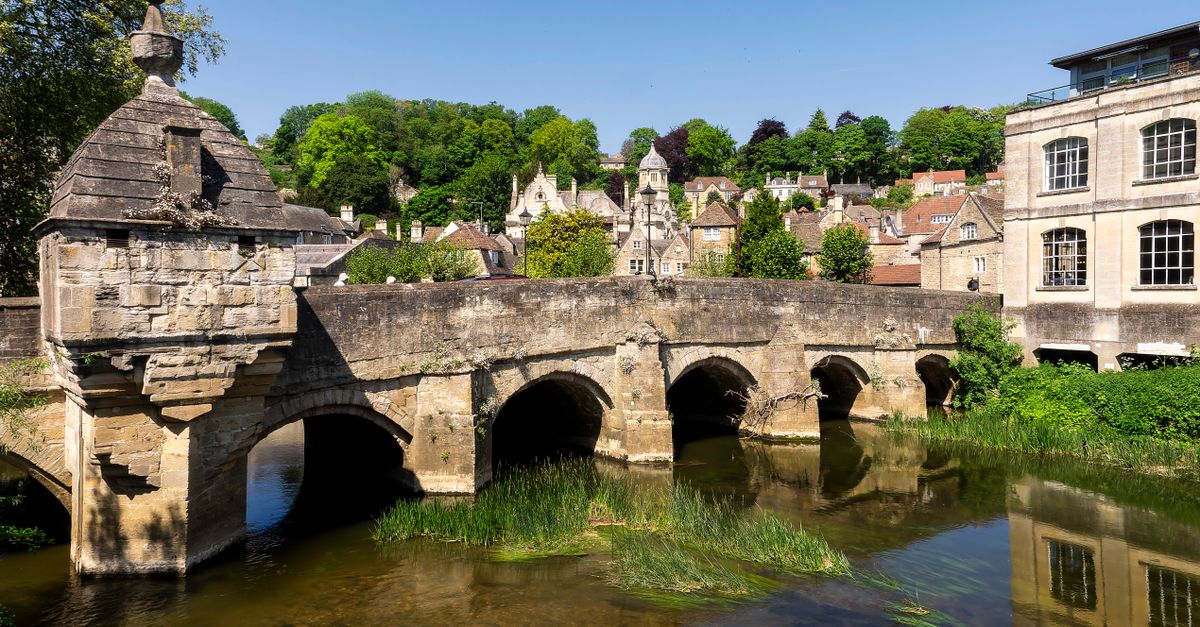
At Ringwood, the Hampshire Avon often gives its best roach fishing where the hard gravel crease fades into a slower, deeper glide. That softer seam is easier to read than the main push of water, and a carefully shotted stick float keeps maggot, caster or bread flake moving naturally through the feeding line.
Build the stick-float rig
Plumb the swim first, then set the float so the hookbait just ticks over the gravel without dragging. In shallow, quick water, an olivette or compact bulk of shot works well about 1 foot to 18 inches above the hook. In a deeper, steadier glide, move the bulk to roughly 18 inches or 2 feet above it.
Float capacity gives a useful starting point: around 1 to 2 grams for each 2 feet of depth. A 4 to 8 gram float suits many Ringwood runs, while 5 to 10 grams gives extra control in a deeper swim. A single No. 6 dropper, positioned about 10 inches from the hook, steadies the bait without making the trot look lifeless.
Feed the crease and control the trot
Loose-feed a few maggots or casters ahead of the float and keep the bait travelling over the same gravel edge. A long trot is often better than repeated short casts. The rod should stay high enough to mend line from the surface, while the float is held back only lightly, allowing the hookbait to slow over the crease.
For clearer water, a fine hooklength around 22 inches and a small bait can produce delicate bites when weed is not troublesome. Bread flake is a useful change when larger roach are showing, offering a slower, more selective fall. Bickerley Millstream and the Severals stretch add valuable options when the main Avon is carrying pace, with dace, chub and perch often sharing the same quiet water. In the fading light, the float slides past the gravel lip and disappears beside the reeds.
Recommended: Inline olivette float weights