
Three Grayling Glides on the River Dove
Three Grayling Glides on the River Dove
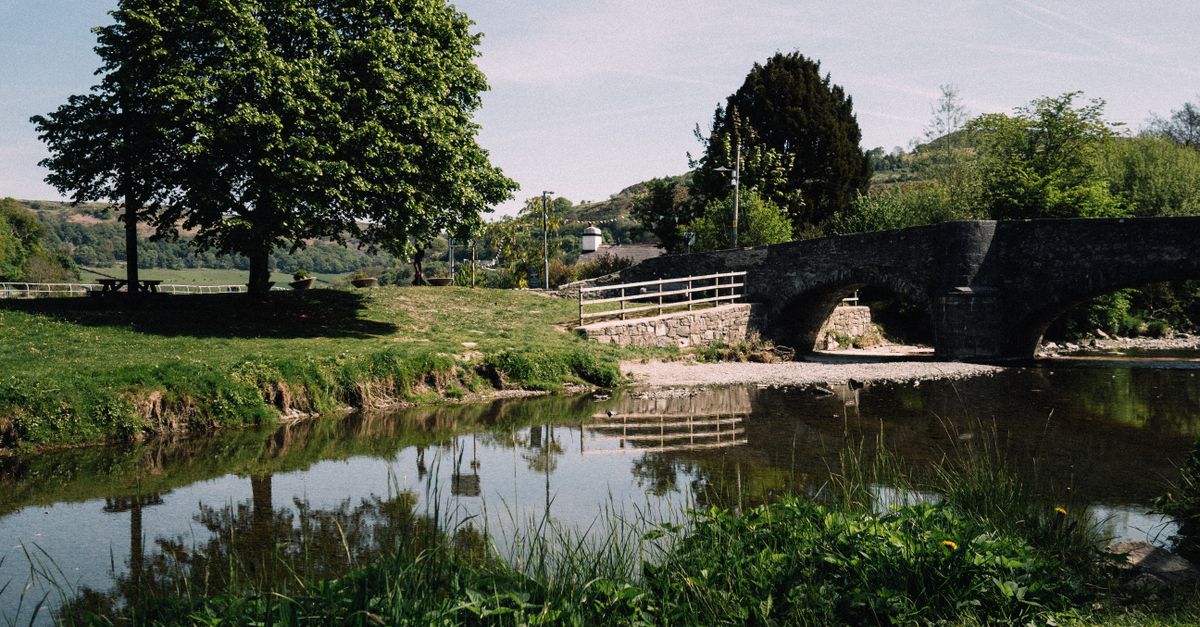
At Dovedale in Derbyshire, the River Dove slips through clear limestone water, gravel runs and shaded pools before tightening above the main gorge. An evening walk can link three classic grayling glides, each suited to a different presentation and each small enough to read carefully rather than fish blindly.
The first glide lies where smooth current gains a little depth over clean gravel. Grayling often sit close to the bottom here, holding in the slower lane beside faster water. A Czech-nymph rig, kept short and controlled, lets the flies track naturally without dragging across the fish. The best casts land upstream and slightly across, followed by careful contact through the drift.
Reading the three holding areas
The second glide usually forms below a shallow shelf, where the current spreads and then gathers again. This is ideal dry-dropper water. The buoyant dry searches the surface while the nymph covers fish feeding just beneath it. In low evening light, the dry can also reveal tiny changes in speed that mark the edge of the main lie.
The third water is found at the head or tail of a run, where depth and pace balance perfectly. Wild brown trout may occupy the quicker edges, while grayling favour the cleaner, steadier middle. Near Reynards Cave, a modest 100-metre reach has produced both species consistently, a sign of productive but selective English chalk-and-limestone fishing rather than a numbers venue.
Dovedale, Milldale, Beresford Dale and the Izaak Walton stretch provide useful points for a compact weekend outing. A light rod, fine tippet, polarised glasses and sturdy wading boots keep the approach quiet. As dusk settles over the Dove, the last grayling rises in a silver flick beside the gravel seam.