
River Test and the Chalk‑Stream Dry‑Fly Tradition
River Test: where pale hackles first mattered
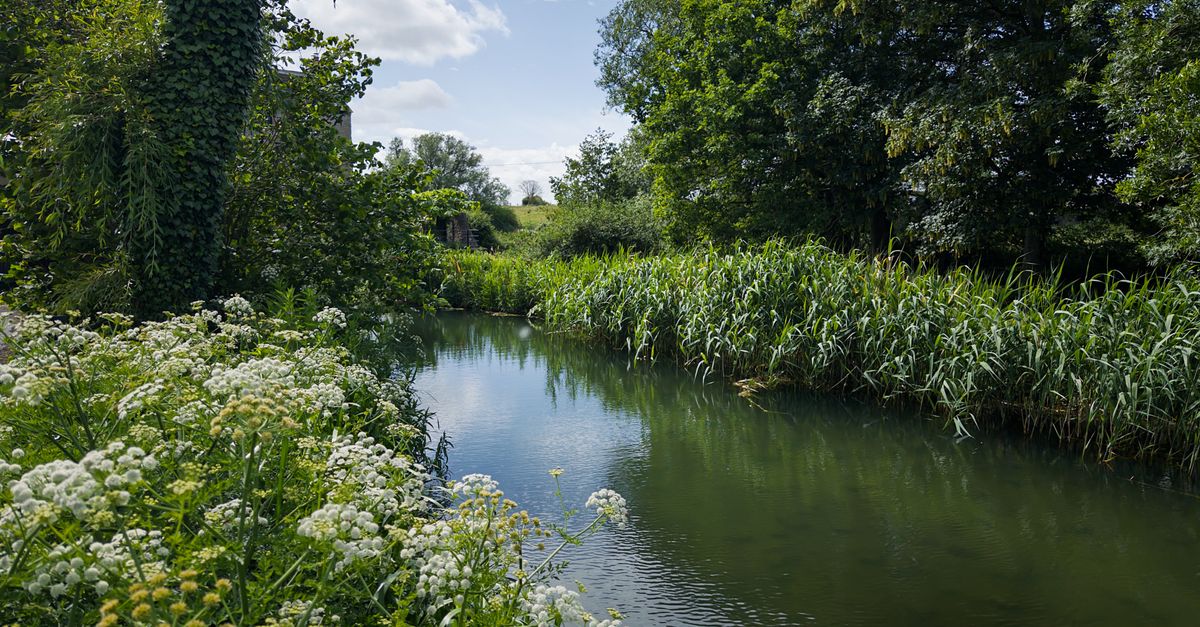
The River Test in Hampshire reads like a manual for dry‑fly fishing. Clear, spring‑fed water runs over chalk gravel, and brown trout take a fly on the surface with a particular, hesitant strike. The Test’s riffles and glassy beats demand a subtle presentation; heavy tackle simply spoils the conversation between angler and fish.
Chalk streams favour steady flows, weedbeds of watercress and ranunculus, and a food chain tuned to delicate insect patterns. That environment made dry‑fly technique more than styling: it became efficient. Anglers learned to cast upstream, mend the line, and read the micro‑currents where trout rise.
Halford, Skues and the evolution of a creed
Frederic M. Halford championed a purist dry‑fly doctrine on the Test and similar rivers, insisting the fly be presented only on the surface. G. E. M. Skues answered with nymph tactics for fish that refused the surface. The debate sharpened the craft: better flies, subtler casts, and a deeper study of trout behaviour.
Today’s anglers still bring a lightweight rod and long, soft leaders to chalk streams. The technique is patient. The rewards are precise — a trout taken on a pale hackle, or a grayling sipping a dapping pattern beneath an overhanging willow.
A low sun on a Test beat will silhouette a dry fly and a risen trout; that image keeps the tradition alive.
Recommended: waterproof chest waders