
River Test and the Chalk-Stream Tradition
River Test: 40 miles of chalk and gravel
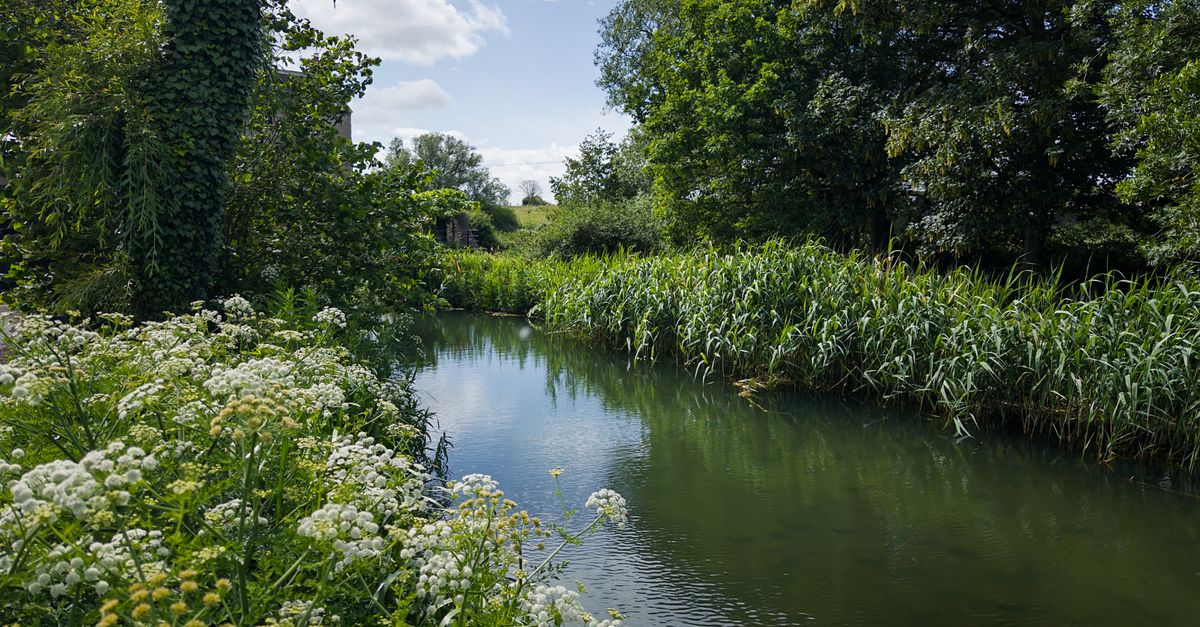
River Test water runs clear enough to read the pebbles and count the trout for an instant. It carries the steady pulse of an aquifer-fed chalk stream through Hampshire, creating the conditions that made dry-fly fishing into an English art.
The story belongs to names as much as places. Izaak Walton set the tone with The Compleat Angler; Frederic Halford codified the dry fly; G.E.M. Skues answered with nymphing and changed how anglers think about subsurface takes. The debates played out on the Test's riffles and glides, where presentation means everything.
Technique and tackle
Anglers on the Test favour delicate presentation: long, light rods, fine tippet and flies dressed to suggest a single mayfly. The dry fly is king where fish feed on the surface; nymphs work where trout cruise deeper lanes. Waders are routine for those who read the margins and cast upstream into the current seams.
Ecology matters. Water crowfoot mats, constant temperature and clean gravel beds create ideal spawning grounds for brown trout and good runs for grayling. Pike lurk in backwaters but the river's reputation rests on wild trout that show every twitch of the fly.
On a bright morning a trout will rise like a brief punctuation mark; the fly skims, the line tightens, and the reed-fringed bank remembers another perfect cast.
Recommended: breathable chest waders