
River Test: The Hampshire Chalk-Stream That Defined Dry-Fly Fishing
River Test, Stockbridge: chalk springs and sight-fishing
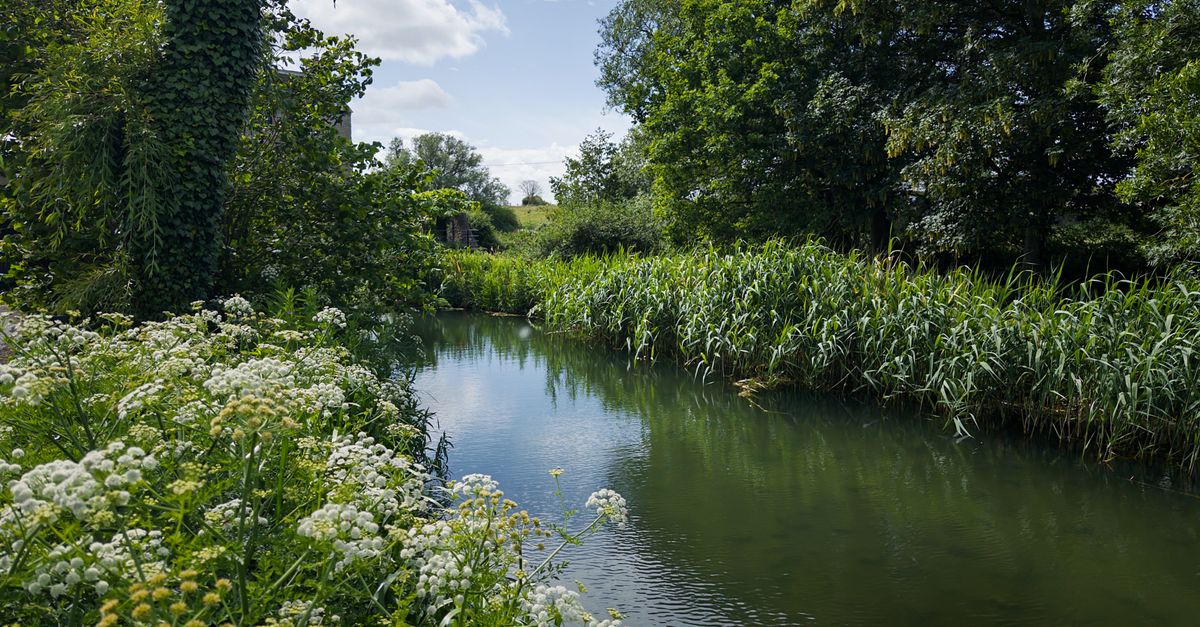
The River Test runs out of chalk aquifers with water so clear an angler can watch a brown trout pick off a mayfly in plain sight. The Test's gravel beds, low banks and steady summer flows create that famous sight-water fishing where presentation matters more than power.
Wild brown trout and resident grayling live in the Test's shallow clear runs and pocket water. Anglers favour delicate tackle: a light rod, fine tippet and the classic dry fly. Presentation is surgical; a blown drift loses a fish, a perfect drift produces a rise that looks like permission to smile.
How the Test shaped a technique
Halford and his contemporaries refined dry-fly doctrine on waters like the Test and the Itchen. The idea was simple: match the hatch on the surface, keep the fly natural, and refuse to tempt fish by force. That approach hardened into the modern chalk-stream ethic—silence, stealth and exact casts.
Wading the Test requires good boots and steady balance; many anglers favour lightweight waders to feel the current and place each step. At dawn, a single dry fly drifting past waterweed can stop the river's clock: a trout rises, the line arcs, and the river tells its own story.
Recommended: breathable chest waders