
River Test at Stockbridge: The Chalk-Stream That Shaped Dry-Fly Fishing
River Test at Stockbridge: The Chalk-Stream That Shaped Dry-Fly Fishing
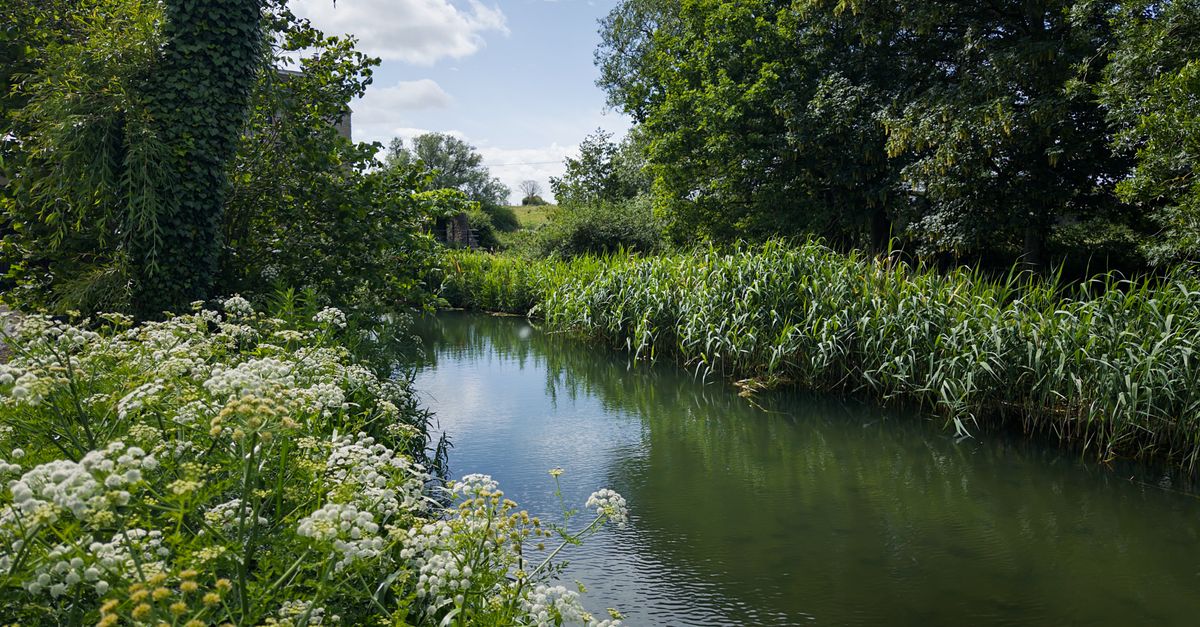
River Test at Stockbridge carries water that looks like glass and holds fish that refuse to be ordinary. Chalk aquifer flow, gravel beds dusted with watercress and a steady, cool current give brown trout and grayling a habitat unlike most lowland rivers.
An angler on the Test learns patience and finesse. The dry-fly method was honed here: precise upstream casts, whisper-light presentation, long leaders and a taste for pale hackles that imitate mayflies drifting over gravel. Frederic M. Halford’s advocacy for the dry fly shaped a whole generation of anglers who measured success by a rise, not a strike.
Technique and Characters
G.E.M. Skues argued another truth: trout take nymphs below the surface. That debate—gentle, fervent, local—made the Test a laboratory for methods. One day the angler trades the visible ballet of floating flies for weighted patterns fished deep and slow, and the river keeps giving.
Gear is modest: a supple rod that turns over long leaders, soft tapered lines, neat flies tied to match the hatch. Footing is careful; boots or breathable waders keep the angler low and quiet in shallow runs where a trout will lift like a coin and vanish again.
Morning light slices across the Test. A dry fly drifts. A brown trout sips, the rod bends, and the river’s reputation for fishing—hard-earned and precise—becomes plain in the bend of the line.