
The Selkie and the Orkney Pollack Line
The Selkie and the Orkney Pollack Line
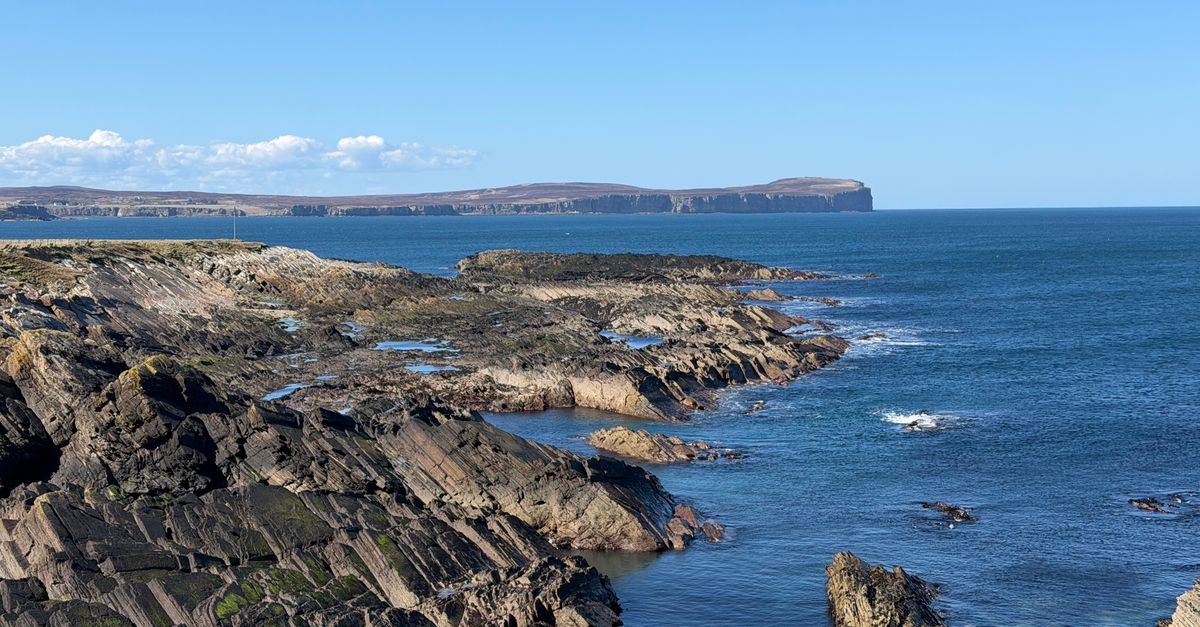
Westness on Orkney carries the kind of shoreline that makes an ordinary fishing trip feel older than the map. In Orcadian tradition, a selkie is a seal, but the tale turns on its skins, its longing for the sea and the dangerous pull between a home on land and a life in salt water. At dusk, when seals lie dark against the skerries, the old story seems close enough to touch.
Handlines over rough ground
The practical quarry beneath that folklore is pollack, with saithe, or coalfish, holding farther down over reefs, shelves and wreck-like edges. Pollack often rise above broken ground, where a light spinning outfit or float rig can work a lure through moving water. A float set six to ten feet deep, a 1/0 to 3/0 hook and 12–15 lb line suit the close-in ledges.
Deeper water calls for a running ledger carrying one to three ounces of lead, while a boat angler can use a seven-foot rod rated to 12–20 lb. Saithe favour structure and may hang high above the bottom in 30–150 metres, where metal jigs on stout braid pulse like fleeing sand eels.
When the line comes tight, the selkie story gains a sharper edge. Pollack flash green and bronze beside the rocks; saithe drive hard for depth. Later, a hot pan, butter and a little salt turn the evening’s catch into a simple Orkney supper, while the last light fades over the skerries and seals slip silently beneath the swell.
Recommended: Ready-made running ledger rig