
September Mullet at Weymouth Harbour
Weymouth Harbour’s First-Light Mullet
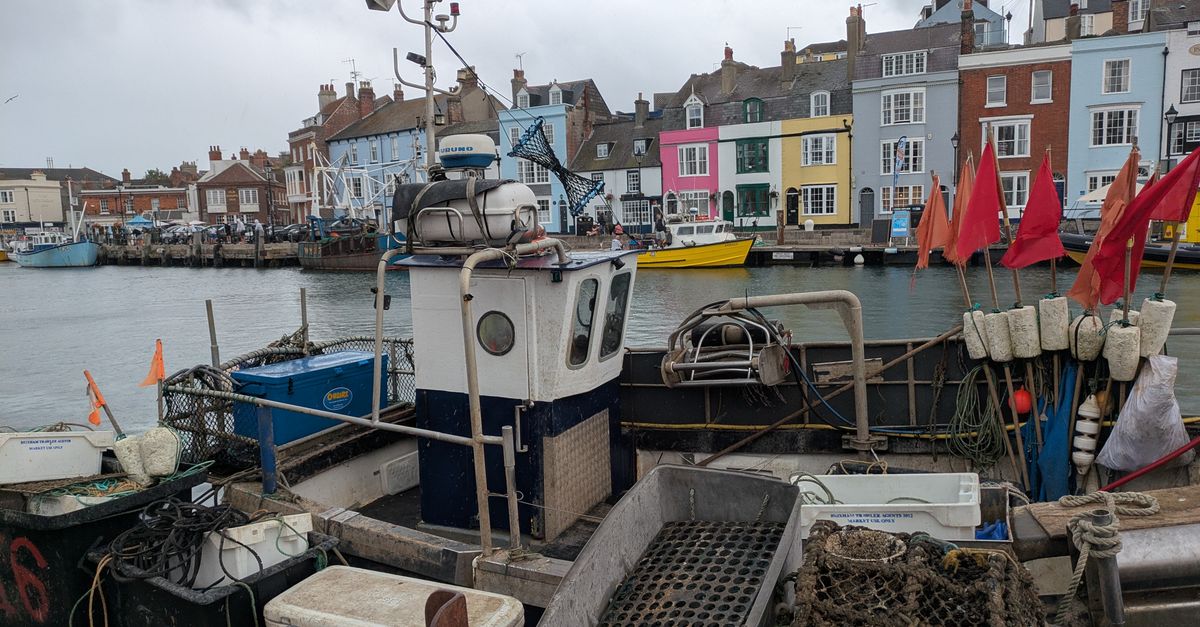
At first light in Weymouth Harbour, grey mullet patrol the marina walls with surprising confidence. September is a strong month for thick-lipped mullet in Dorset, when warm English Channel water keeps fish active and harbour edges hold a steady supply of food. Thin-lipped mullet also appear, particularly around quiet pontoons and slack-water corners.
The best early pattern is a small bread-float drift tight to the wall. A flake of fresh bread or a narrow piece of crust is enough, with very little loose feed when the water is clear. The bait should travel naturally rather than drag. Fish the top half metre to two metres first, then search deeper beside the stonework where the tide scours the bottom.
Weymouth Marina walls and the inner harbour are the dependable starting points. On a moving tide, the harbour mouth and Portland side can produce better sport, although the water is less forgiving. September tide ranges commonly run from shallow lows near 0.2 to 0.6 metres to highs around 2.0 to 2.3 metres, so the productive line changes quickly as the harbour fills and empties.
Light tackle for a moving harbour
A fine float setup, 6 to 8 lb mainline, a size 10 to 14 hook and a delicate hooklength suit these wary fish. The float should be lightly shotted and only just supported, allowing the bread to hover naturally in the flow. The last hour of the flood and the first hour of the ebb are especially useful, with calm dawn water often revealing mullet tails before the marina wakes.
Bass, ballan wrasse, pouting, mackerel, scad and garfish remain possible around wider Weymouth, but the morning forecast belongs to mullet on the walls. A pale sky, gentle tide and unbroken surface can turn the marina into a moving sheet of silver as the first bread drifts past the pilings.
Recommended: Fine hooklength line