
September Plaice at Dungeness
September Plaice at Dungeness: the First Gully at Dawn
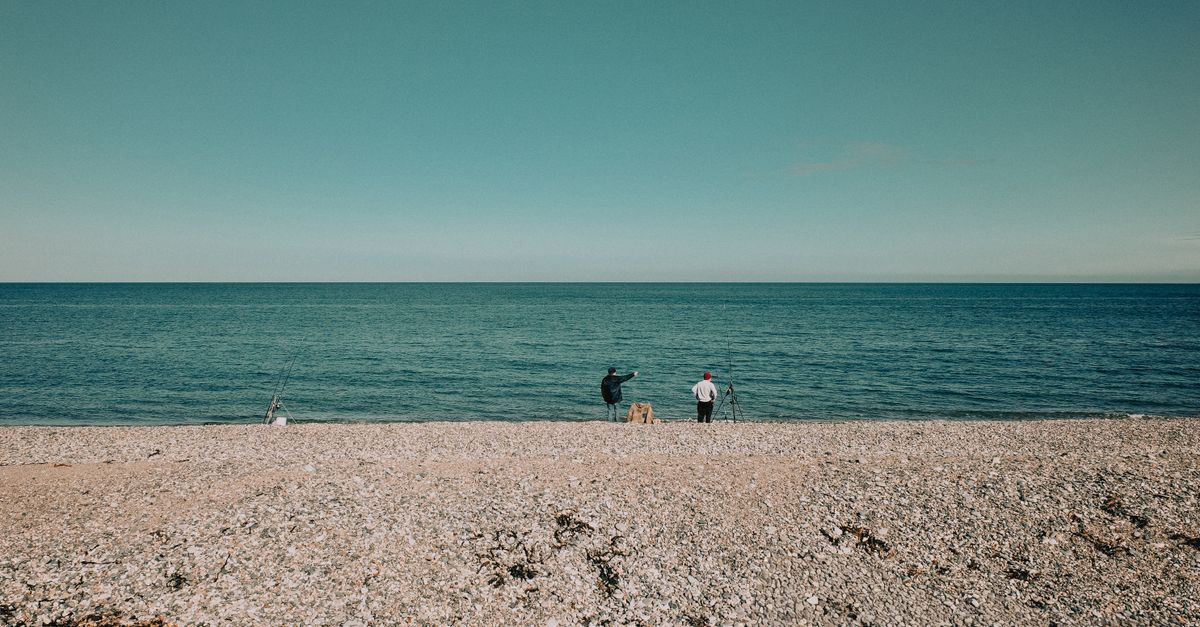
At Dungeness Beach in South Kent, September dawns still offer a realistic chance of plaice from the shingle. The key feature is the first sandy gully, where the flood tide pushes food across clean ground close to the beach. Latest local patterns also point to bass, whiting, Dover sole and dogfish along the Dungeness Estate and nearby Littlestone Bay.
The strongest window runs through daylight, with three hours of rising water leading into high tide. A high water around midday is especially useful for plaice, giving the fish bright conditions in which to hunt over sand. Water close to 18°C keeps the late-summer pattern alive, although the best activity still comes in short bursts around the tide rather than at one fixed hour.
Ragworm over clean sand
Fresh ragworm remains the first bait choice, presented neatly so it moves naturally in the gully. Black lug and yellowtail lug are dependable alternatives on South Kent marks. A light beach ledger with a two-hook loop rig keeps the bait moving without burying it in the shingle. Fine-wire size 2 Aberdeen-style hooks and roughly 20-pound snoods suit the job.
Clear 12-inch fluorocarbon snoods are particularly useful when plaice feed by sight in calm, clean water. The cast should reach the sandy edge rather than the deepest part of the gutter, with small adjustments made as the tide fills. If the first gully is quiet, the sandier edges towards Hythe and Dengemarsh are worth searching before the ebb begins to pull hard.
Plaice generally hold well from late spring into September, then gradually move offshore as the water cools. On a clear South Kent morning, a fresh ragworm lying lightly over the first sandy trough can bring a broad-finned plaice sliding across the wet shingle.