
Test: early-August dry‑fly window
River Test below Stockbridge shows low, gin-clear water and a tight dry‑fly window this early August
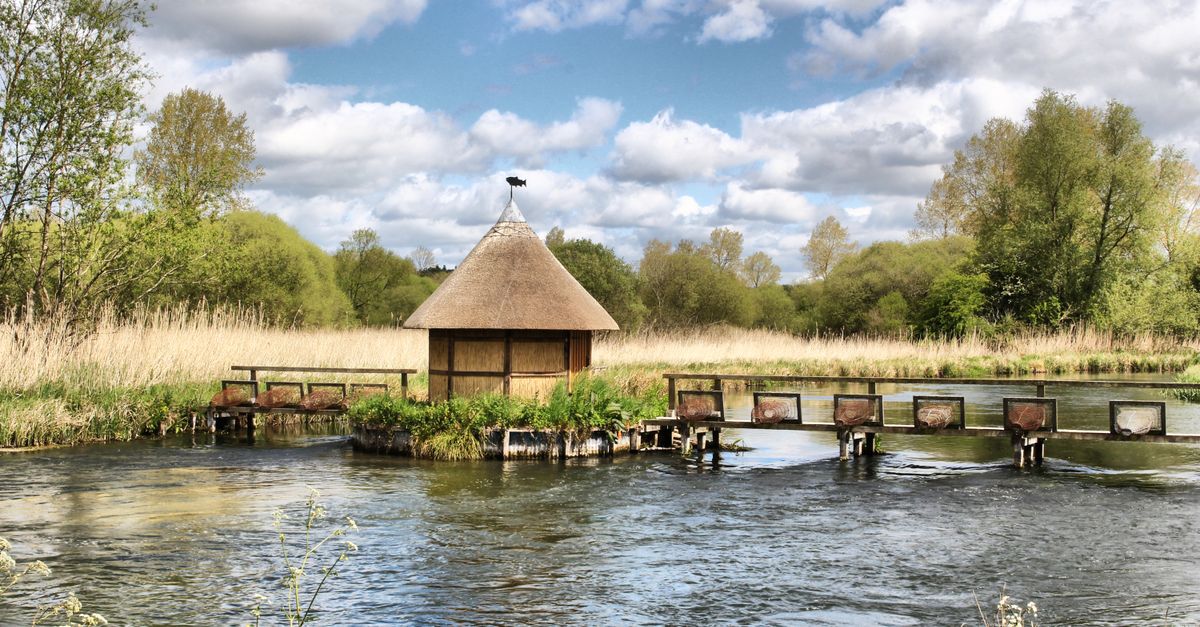
Flows are low and visibility high; the morning hatch often kicks in soon after dawn on warm days and peaks late morning on cooler ones. Ballon caddis and sherry spinner reports are on the beats, with steady olive and midge activity around glassy tails and seams.
Brown trout are tucked into glides, seam edges and tailouts where a film break or a rag of weed gives cover. Productive lies are shallow—roughly half a metre to one and a half metres—but it is the fish’s lane that matters, not raw depth. The most notable takes are single, visible fish rather than frantic schools.
What’s biting and how
Top patterns: CDC/parachute BWO, Black Midge Klinkhammer, Shuttlecock Black CDC, Elk Hair Caddis, Shrimper and Daddy Long Legs for dusty late‑morning falls. Small spinner patterns will tempt fish when terrestrials edge in on a warm breeze.
Presentation: use long leaders tapered to a fine butt with a delicate 5X–7X point. Many locals favour long leaders and fine tippets to get a whisper‑soft landing in dead calm water. Tight‑line sight fishing pays when a trout is reading the film; a single small dry, presented upstream and drifted true, usually finds the seam.
Morning light often delivers the best sport and evening can repeat the show. A brown easing up in a glassy lane, nose to the film as a tiny olive hatches, is the Test in microcosm.
Recommended: fluorocarbon 5X-7X tippet