
The Evening Pulse of Twaite Shad at Chepstow
Twaite shad at Chepstow: the Wye's evening pulse
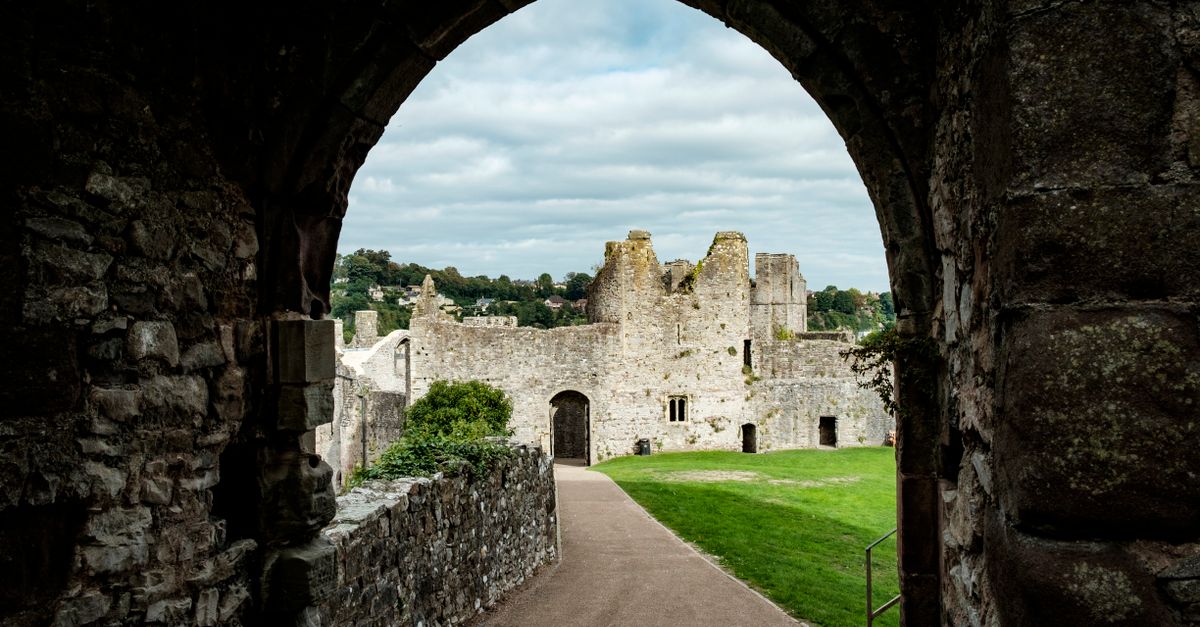
By late May, the lower Wye at Chepstow begins to fill with one of Britain's most elusive silver visitors. Twaite shad, Alosa fallax, push in from the Severn Estuary and gather in the broad tidal reaches before moving into freshwater. Around 30 centimetres long, they look like streamlined herring, bright-sided and restless in the changing light.
The strongest local picture lies between Long Hope Reach and Priors Reach, where the river opens to roughly 300 metres across. Shoals hold in deeper pools during the day, conserving energy beneath the surface. After dusk, they slide towards shallow gravel, pebble and cobble runs, where spawning takes place through the night.
Reading the lower Wye at dusk
Experienced observers look at the seams, the heads of runs and the lips of deep water rather than the fastest riffle tops. In the last light, shad may be seen “cutting their reds”, the local description for tail-fanning over gravel. A quiet bank position, polarised glasses and a clear view across the flow reveal more than a noisy approach.
The timing is tight. River entry is concentrated in May and early June, making a Chepstow weekend especially rewarding for anyone following Britain's migratory fish. The Wye is a key shad river, with spawning recorded far upstream towards Builth Wells, yet the lower river is where the run first gathers in numbers.
After spawning, the fish turn quickly towards the estuary and feed on mysids, gammarids and shrimps. That link between tidal water, deep holding pools and clean gravel explains the species' importance to the Wye. As evening settles over Chepstow, the broad surface darkens, and silver backs flicker briefly above the gravel before vanishing into the current.