
Victorian ghillies and the River Test
Leckford's Mayfly Beat on the River Test famously forbade fishing before 09:30, a rule born of Victorian discipline and waterkeeper oversight.
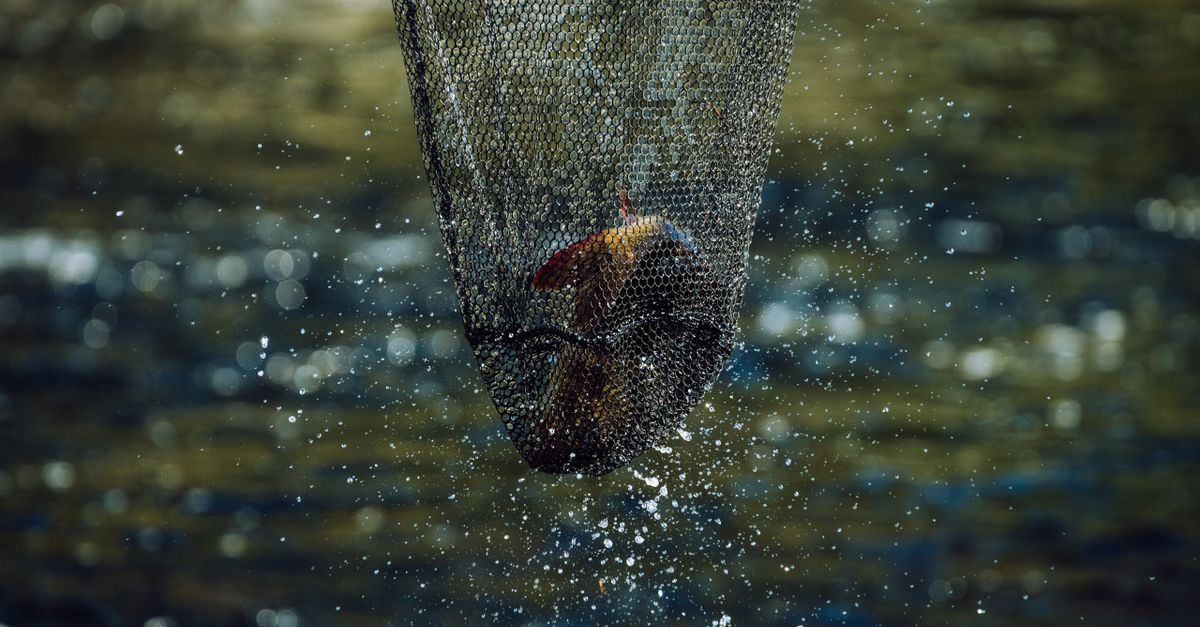
Ghillies and waterkeepers on Hampshire chalk streams made trout fishing a codified craft: silent upstream stalking, one angler to a beat, and the rule to make the first cast count. That etiquette still governs morning beats on the Test and Itchen.
Late‑Victorian dry‑fly doctrine, led by Frederic M. Halford, fixed presentation as the religion of the river: long leaders, dead‑drift dries and feather‑light tippets for sighted brown trout in riffle and glide. Trout are sighted under crowfoot or in shallow weed lanes; tactics follow the waterkeeper’s glassing orders.
Flies and routines
Classic boxes on the Test mix Greenwell’s Glory, Tup’s Indispensible, Leckford Professor, Olive Dun, Grannom and mayfly variants for the late spring hatch. April leans Large Dark Olive, Grannom and Hawthorn; late May into early June is the mayfly window.
Morning routine remains simple: arrive before light, walk the upstream bank where custom demands, glass for rises and fish the long, tapered leader with an 8.5-9 ft rod and #4-5 line. The scene ends often with a delicate lift of a mayfly and a trout’s soft take in chalk‑clear dawn light.