
Whitby Cobles and Mackerel Handlines
Whitby cobles and the bright run of mackerel
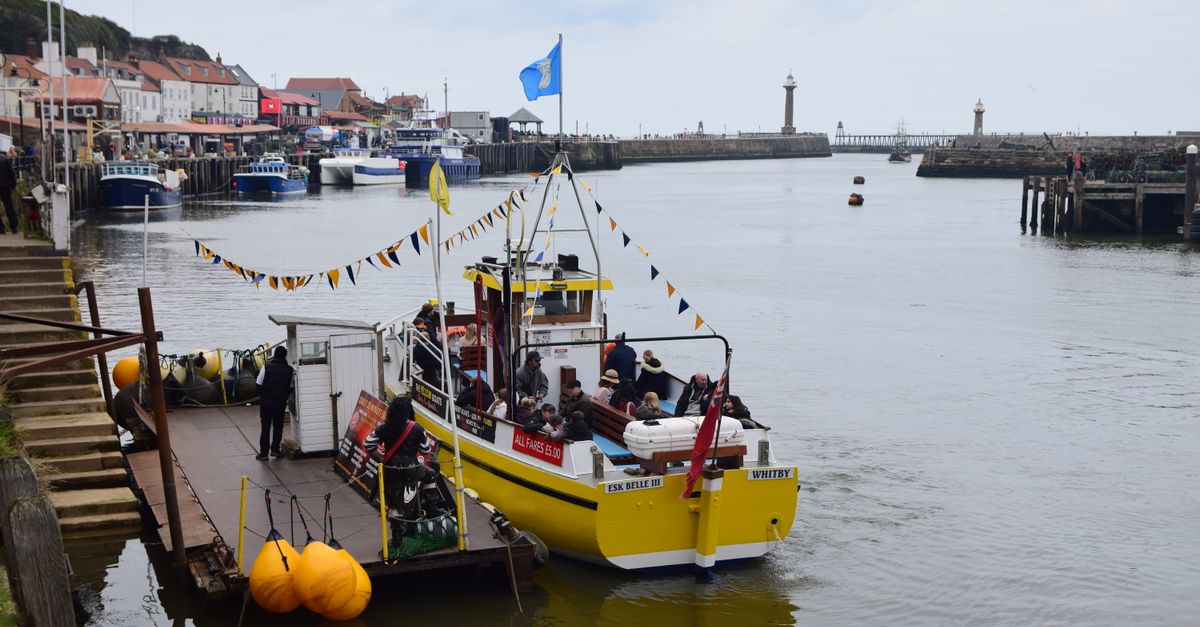
Whitby’s coble is a North Sea boat with a character all its own: flat-bottomed, high-bowed and sturdy enough to meet a rough Yorkshire beach. Long before modern harbour life, these open boats carried crews through the surf and out towards the shoals. The same working-water mood still clings to Whitby, Staithes, Filey and Scarborough when summer mackerel gather close to shore.
Older coble fishing was no gentle afternoon drift. In summer, boats could work eight to sixteen miles offshore, setting long lines across the tide for hours. A single line might stretch 200 fathoms and carry hundreds of hooks on short snoods. Compared with that demanding craft, today’s mackerel trip looks almost cheerful: a light rod, a handline, feathers or a small spinner, and a sharp watch for flickering silver below the boat.
Finding the shoal above the harbour
Mackerel rarely stay at one depth. Around Whitby’s West Pier, the harbour approaches and the swing bridge, the useful habit is to work the water column, counting the line down and changing depth until the shoal shows itself. Filey Coble Landing and Staithes’ Cowbar Jetty carry the same summer smell of salt, bait and warm rope, with garfish, coalfish and the occasional whiting joining the catch.
At dusk, the best part begins on shore. Fresh mackerel needs little more than a hot cast-iron pan, butter, black pepper and a squeeze of lemon, though a smoky grill suits it beautifully. The fish is rich, oily and unmistakably North Sea. On a Whitby quay, rods lean against the rail while a newly caught mackerel crackles in the pan and the last coble rocks beyond the harbour mouth.
Recommended: Yorkshire fish frying pan