
10ft Chalk‑Stream Nymphing Workhorse
10ft Chalk‑Stream Nymphing Workhorse
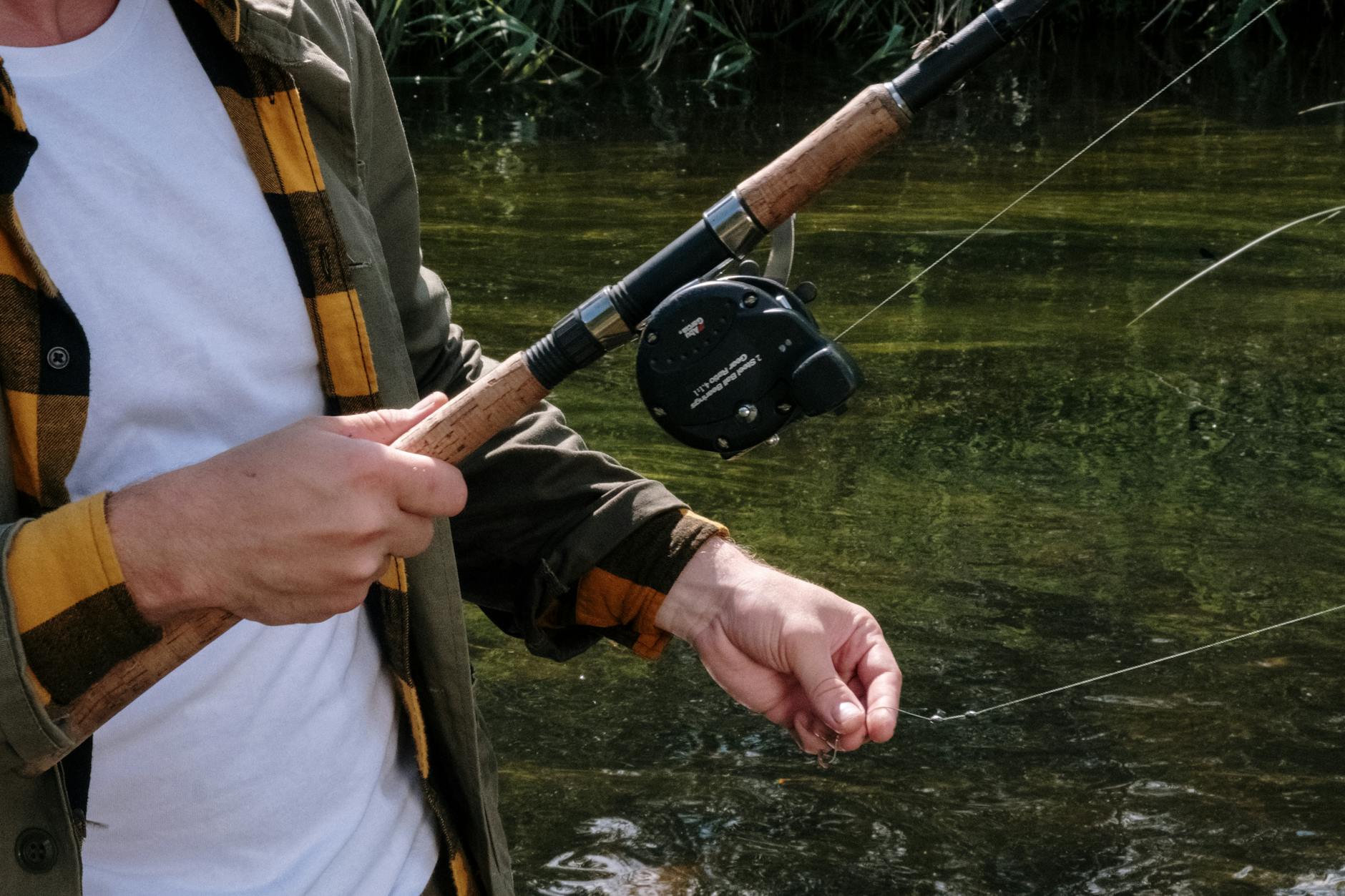
About 85% of the world’s chalk streams run in England and Wales, a little‑known fact that steers this March conversion: a 10ft rod tuned for early‑season grayling and brown trout on the Test, Hampshire Avon and Wye. The objective is a sensitive, long‑range nymphing outfit that copes with low flows, spooky fish and chilly wading.
Tip choice: soft tip vs micro‑tip
A soft tip absorbs upstream mends and allows a confident lift on larger trout; a micro‑tip delivers razor‑sharp detection for March grayling taking gently subsurface nymphs. A practical compromise is to graft a metre of micro‑tip material into the top section to keep backbone for long casts while retaining bite sensitivity.
Sticky sighter and micro‑indicator
A homemade sticky sighter uses 0.12–0.18mm mono with short fluorescent tubing fixed with tiny drops of superglue or nitrile adhesive; trim, coat lightly with floatant and position knotless near the surface. This low‑profile micro‑indicator gives long drifts on bright chalk water without spooking wary Test beats.
Tungsten beads and shotting patterns
Use muted 2–3mm tungsten beads in gunmetal or matte copper to avoid unwanted flash. Seat a 3mm bead at the fly, then stagger 2mm and 1.5mm beads up the leader for a natural tumble. On very low March flows prefer a few well‑placed BBs spaced to allow the nymph to hover over gravel seams.
Reel drag and leader care
Set a light, smooth clicker or micro‑drag to protect 4–6lb nylon or fluorocarbon leaders; a thin felt shim under the spool can fine‑tune tension without complex parts. Test drag with a short pull to simulate a grayling run common on Avon tributaries.
Chilly‑water wader boot hacks
For extended spring sessions add a removable closed‑cell foam toe pocket and neoprene liner to boots, seal wader cuffs with elastic gaiter straps, and use a thin merino sock beneath a puncture‑resistant felt or rubber sole for grip on chalk gravel—simple mods that preserve warmth on long March days.