
Dawn Trout Footwork
Stockbridge on the River Test and the Itchen near Winchester light up at dawn for sight‑fishing brown trout.
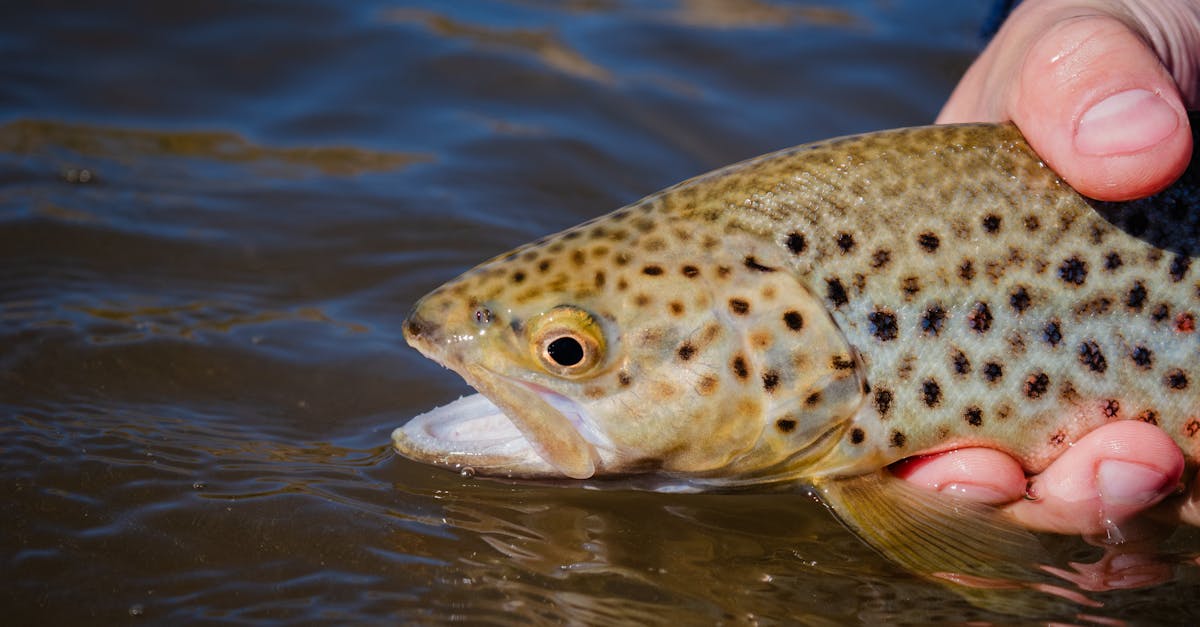
Chalkstream clarity shows 12–18in brown trout holding in 2–4ft seams where gravel meets silt. Anglers working dawn hatches like Large Dark Olive use small dries—CDC Shuttlecock or Parachute Adams in #16–18—and a near‑silent approach to avoid bolt‑away spooks.
1. Silent approach: crouch, shadow, slide
Start 30–40 yards downstream, river‑left on backlit bends. A 45° crouch reduces silhouette; move in tiny 1–2ft shifts every 8–12 seconds, pausing behind alder and reed shadows. Shadows spook Test brownies from yards away; keep motion masked by bankside glare.
2. Wading footwork: slow scissor steps
Enter via tail of the pool where depth is under 18in. Use scissor steps—lead foot 6in, drag the trail foot to meet, toes angled downstream, knees low. Lift less than 6in and feel for silky gravel underfoot to avoid silt plumes on the Itchen's cobbles. Move like a 1mph creep.
3. Reading seams & dry fly presentation
Read seams as narrow V‑ripples at 45° where fast gravel meets slower water; look for ghost tails and faint white flashes. Cast 10–15ft upstream on a 9ft #3–4 rod, 12ft tapered leader with 6X fluoro and a 7X tippet. Use a reach mend: false cast parallel, lay the fly with an upstream flick so it drifts drag‑free through the full 8–10ft lane. Hookups come when the fly hangs in the seam's slower water, not when it skates over slick gravel.
Recommended kit includes a Hardy Demon 9ft 3wt or similar light rod, Airflo MicroSwirl reel and Simms G3 Guide waders with felt soles for firm contact on chalkstream gravel; practice the scissor step on soft bank before committing to a gravel seam.
Recommended: small dry fly