
Three dry-fly patterns for Itchen & Test trout
Itchen & Test: three summer dry-fly patterns
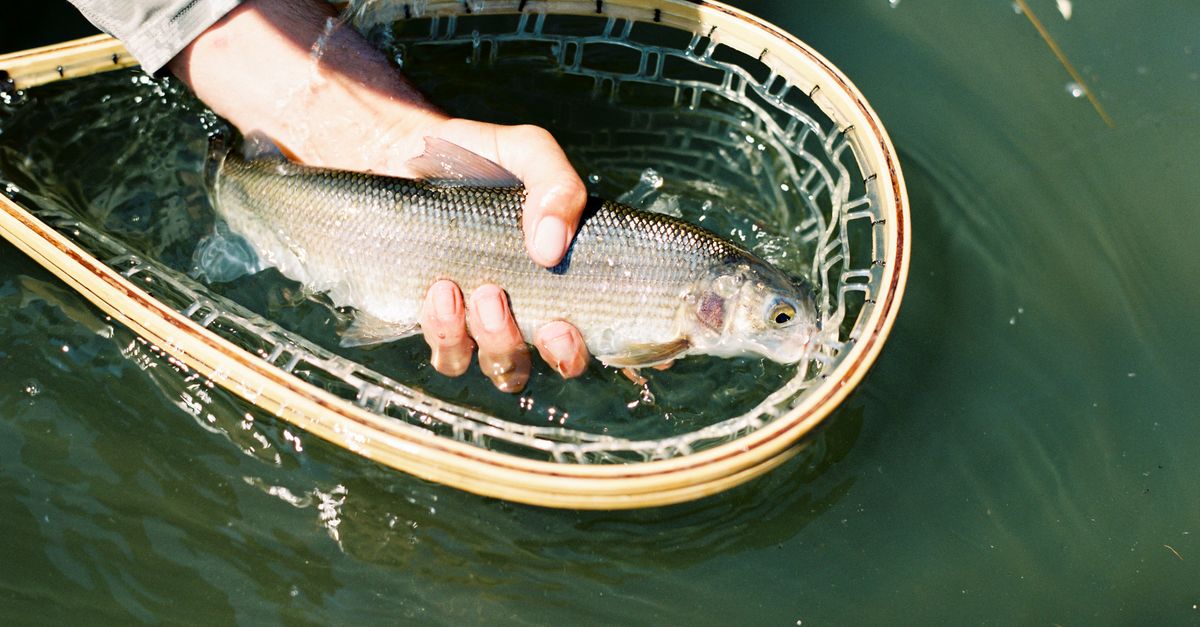
The River Itchen and Test light up in June with Blue-Winged Olive windows; trout on these Hampshire chalk streams often feed on emergers, small caddis and upright duns. A CDC emerger, a small caddis/sedge and a parachute dun form the compact dry-fly kit every guide keeps ready.
CDC emerger — mid-hatch finesse
Fish the CDC emerger when trout are sipping just under the film, typically at midday before duns appear. Tie or buy sizes 14-18, trim the CDC so the body rides in the surface film and gives a subtle silhouette. Use a 9-10 ft tapered leader, 4 lb max stepping to 3 lb tippet, present with long dead drifts, occasional soft mends and a high-stick approach to avoid drag. A non-slip loop knot gives the emerger slight movement without killing the drift and keeps hookups tidy on light tippet.
Small caddis / sedge — low light striker
For grannom and evening caddis windows, a Cinnamon Sedge in sizes 10-14 is deadly from May to September. Cast slightly upstream and across, let the pattern tumble on the film, then impart a tiny twitch when trout hesitate; many takes are delicate sipping strikes at dusk. Keep landings whisper-quiet and use a double surgeon's knot to join tippet to leader for reliable strength on thin material.
Parachute dun — match the hatch
When steady rises reveal selective browns, switch to a parachute dun — Parachute Adams style — sizes 14-18 and fish it high and visible. Mend to slow the drift and make the fly ride upright; this is the go-to for Blue-Winged Olive and smaller olive hatches on the Itchen and Test. Picture pale olives skimming glassy riffles while a neat parachute sits proud and an alert trout rolls the surface.
Recommended: 9ft tapered leader