
3 Dusk Creeks, Fal Estuary
St Mawes gully, Fal Estuary: the narrow channel behind St Mawes pier
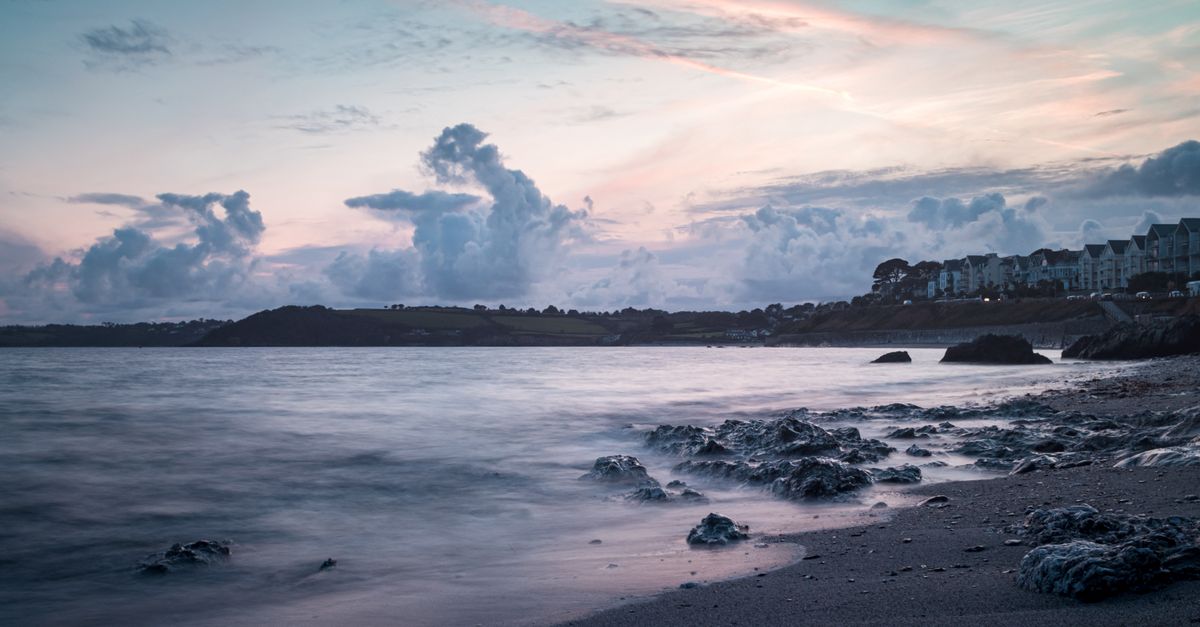
Bass push into the Fal on the first two to three hours of the flood at dusk; that's when the gulleys and channels light up. Creeks near St Mawes and the marshy margins by Pendury concentrate bait and make topwater strikes visible—mullet slashing at low water, bass cruising the edges.
Gulleys between rocks and deeper channels where tidal flow meets structure are prime. Slack near harbour walls, piers and kelp forest edges holds fish. Neap tides often produce unexpected night activity and low or mid-water states on the Fal can be as productive as full flows.
Tackle and topwater tactics
For bait sessions a Pennell rig with an 8/0 hook on a 1.2m, 35lb mono hooklength and frozen mackerel heads works for big baits; each head yields three baits. For lure anglers a suspending jerkbait in clear, low current or a twitching minnow along shallow margins gets reaction strikes. Fish marginal depths of 0.5–2m, working the weedline and drop-offs.
Wind windows matter: light onshore or sideshore that pushes chop into creeks creates feeding lanes without shutting down topwater action. Seek edges where current, wind chop and structure combine—wrecks, piers and kelp create ambush points for both bass and mullet.
Bass in the Fal typically run 30–60 cm; estuary mullet 20–40 cm. Evening sessions often end with a single flash—a bass slamming a minnow under the pier as the flood rolls in and the gulls wheel low over the water.