
Three evening beats, River Test
Stockbridge reach, River Test — three evening beats for brown trout
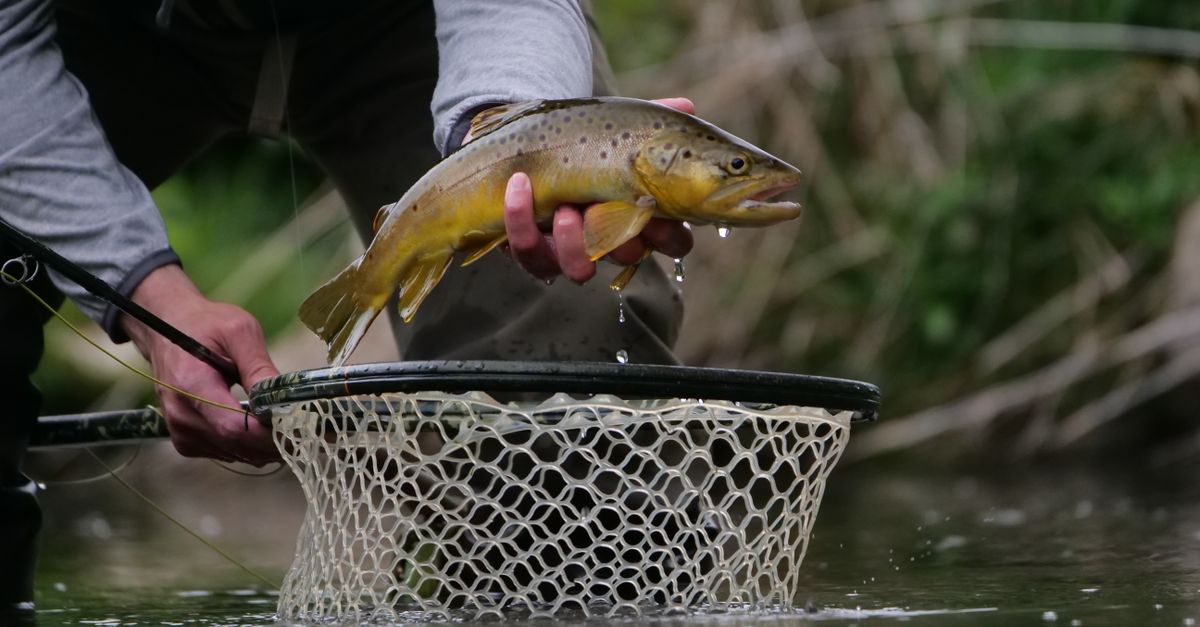
The shallow joining seam below Stockbridge meadows carries insects and freshwater shrimp into a narrow foil of slower water; brown trout pick that line clean between 18:00–20:30 as light drops. An angler who spots regular, soft slashes along the seam knows to present a natural drift tight to the faster edge, keeping the dry fly low and the leader trailing invisibly.
Reading seams and the stealth approach
Seams are not uniform: a classic joining seam, a back-eddy seam and a marginal seam all feed rises differently. Approach upstream, step lightly, keep a low profile and use a long leader so the fly translates without drag. A sighter nymph ahead of a dry fly helps detect subtler takes when fish sip Gammarus from the surface.
The Longparish backchannel is often overlooked; deeper tailouts feed into a calm pool where evening rises occur along willow shadows. Fish hold behind submerged roots; a gentle upstream cast that lands twenty centimetres inside the seam will prompt positive takes from wary trout holding in the cushion of slower flow.
At Leckford the meander creates pocket seams where bankside runs meet the main flow. These pockets warm faster and concentrate food at dusk. Presentations that imitate a sinking shrimp profile, then a quick hop to the surface, trigger aggressive intercepts from territorial browns. Wading boots and a quiet cadence between steps keep pressure minimal.
When light thins and the glassy channel steels, a single pale dry fly vanishes in a tight, decisive rise as a brown trout slips from the seam and disappears beneath the willow roots.
Recommended: size 14-18 patterns