
3 Popper Cadences for Solent Bass
Portland Bill — 3 popper cadences to trigger dawn bass strikes
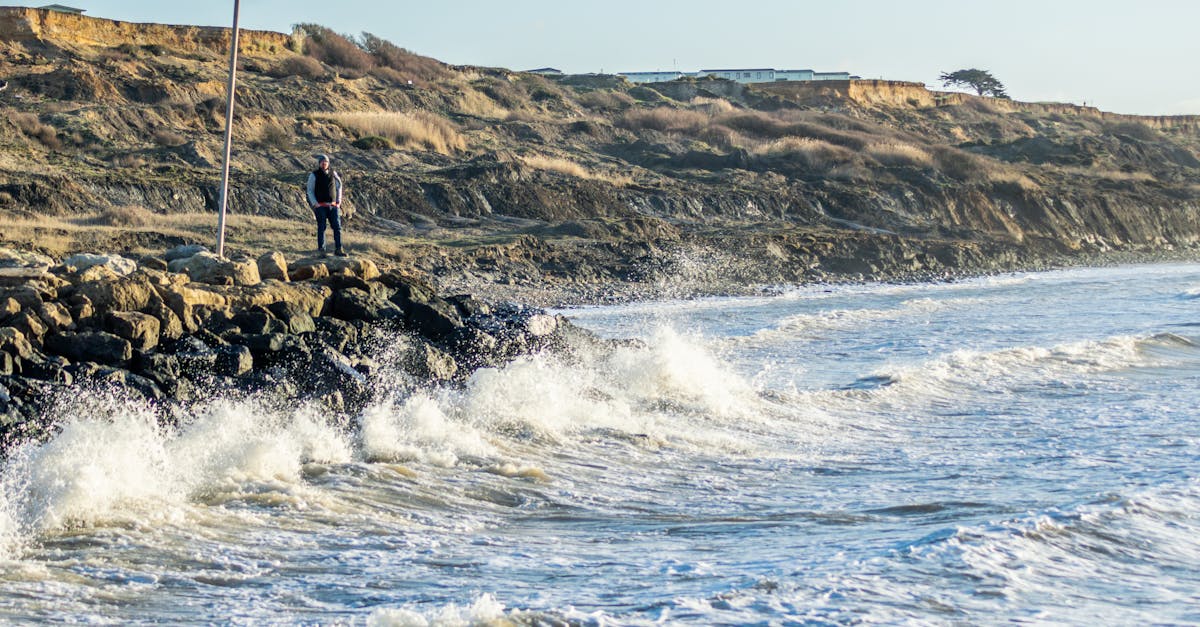
Portland Bill, Chesil Beach and the inner Solent hold predictable first-light action when European seabass hunt sandeels and sprat in the shallows. The right cadence on a topwater popper separates splashy follows from committed hookups.
Pop–pause: Best on glassy or lightly riffled water. Cast tight to gullies, boulder edges, marina walls, harbour mouths and weed beds. Give one sharp pop, then pause 2–5 seconds; if bass are pushing fry shorten to 1–2 seconds. This pattern produces bites around Portland Harbour, Weymouth Backwater and the inner Solent.
Walk–pause: Use over shallow rough ground in 1–3 m. Short twitches make the lure walk or skitter, then freeze it for 2–4 seconds. Try a long cast, burn it 5–10 m then kill it—the sudden stop triggers follows off Chesil’s beach ends, Portland ledges and Solent creeks.
Steady-strip rhythm: When bass are feeding hard on sandeel, sprat or juvenile mackerel, employ a fast regular retrieve—2–4 quick strips, brief pause, repeat—keeping the popper near the surface to throw a wake. This works on incoming tides at Portland Bill tide lines, Ferrybridge and harbour entrances.
Gear and setup
Pick an 8'6"–9'6" fast action rod, 10–30 g or 15–40 g rating, matched to a 3000–4000 size fixed spool. Use 15–20 lb braid with a 20–25 lb fluorocarbon leader and 90–120 mm popper in white, bone or chrome for clear dawn water; darker backs in stained water. Cast tight, vary cadence, and watch for explosive surface blows—bass often explode beneath a glassy surface off Portland Bill as the tide turns.