
Three Solent dawn rhythms
Portland Bill dawn: three Solent retrieval rhythms
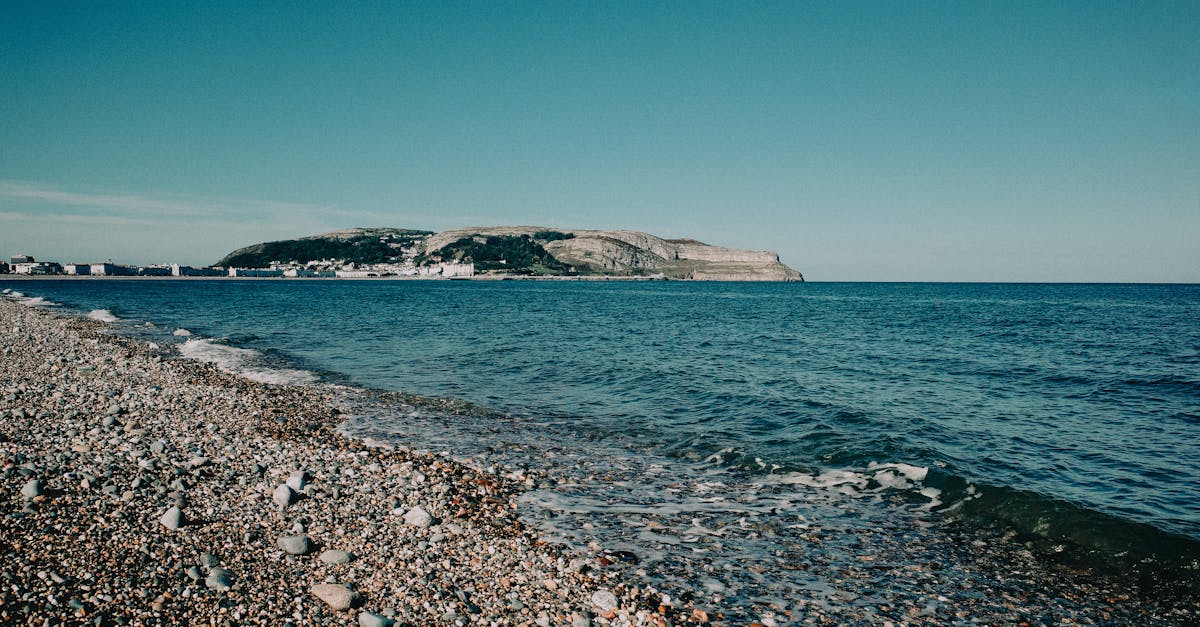
Chesil Beach's Portland end and East Beach see the first breakers painted silver by bait; that is where bass show up on flood tides. The first rhythm is a slow search glide with a 12–15 cm soft plastic shad on 20–40 g jighead, natural sandeel or sprat tones. Cast across the breaker, let it sink 2–4 seconds, then wind very slowly with a half-turn pause every 5–6 seconds. On the pause the lure hangs and bass often hit as it lifts; a loaded rod is the cue to strike once and then crank down hard.
Pulse and drift, then reaction burn
The second rhythm is pulse and drift using 9–12 cm metals or hard minnows in silver/blue, 15–28 g. Cast to the colour change, two quick turns, short sink, or lift the tip 20–30 cm then wind twice and let it flutter. Bass in shallow surf around Portland ledges and Chesil shallows often hit on the drop at first light when fry are pushed tight to the shingle.
The third rhythm is a fast reaction burn with a surface walker or small popper, 8–11 cm. Short sharp twitches or 3–5 fast cranks with a dead stop trigger explosive topwater takes when boils or birds mark bait. Use braid to a shock leader and tie a Uni knot to the jighead; Palomar suits trebles on hard lures. Match rod action to lure: 10–30g fast-power rods for Chesil sessions keep control and set the hook clean.
At dawn a bass can boil twenty metres out by the Portland lighthouse, a silver flash and a scattering of shingle under the swell.
Recommended: knot tying tool