
Three Usk reel drag tips
River Usk dawn, July: 4-weight to 5-weight rigs in hand, fish moving in the seams
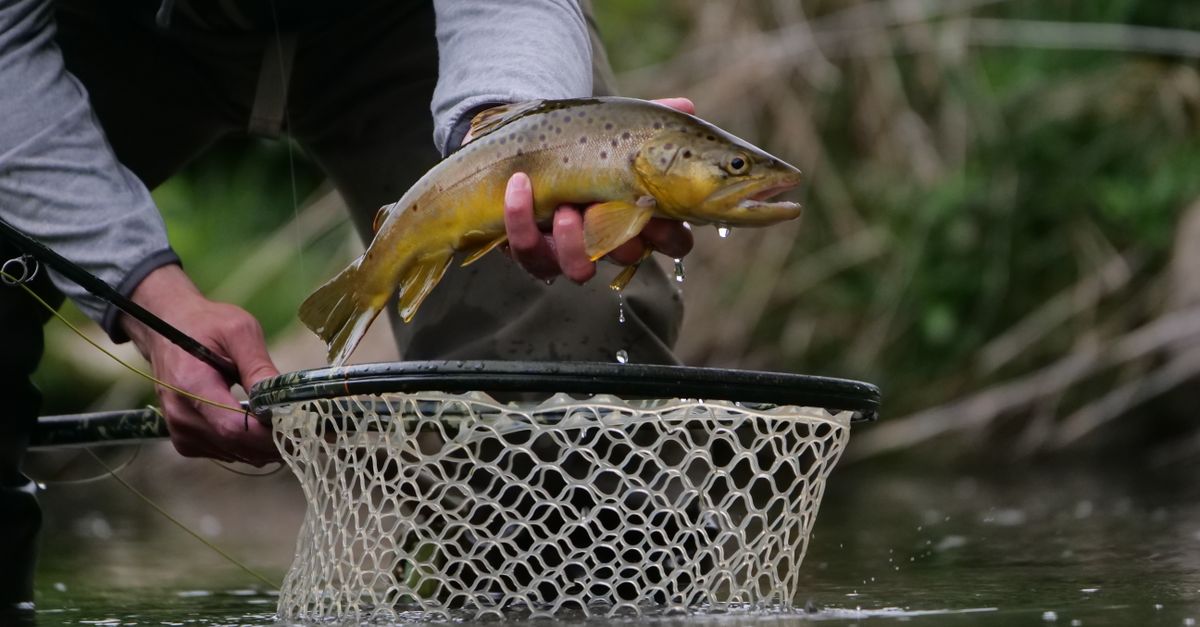
First rule — set a hand-off safety margin. Adjust the drag so a firm palm on the spool just starts to slip only under a heavy pull, yet holds while rigging and casting. On 4-weight to 5-weight fly outfits this equates to roughly 15–20% of the line’s breaking strain; with a 4lb fly line aim near 0.6–0.8 kg of holding force. That cushion prevents snapped tippets when a brown trout booms out of a deep Usk hole.
Spool and line habits
Load the spool like a practised ghillie: 70–90m of 4lb or 5lb backing under the fly line and never leave the spool underfilled. A couple of extra yards of drag-free line at the rim gives the angler room to extend the rod without inducing drag on delicate surface presentations during dark olive or March Brown hatches.
Match drag to the low-water, high-visibility July mornings. Dial drag slightly softer than midriver settings when sight-fishing over riffles so the trout can run without jerking the knot; for 4–6lb tippets err to the lower end of breaking strain and rely on controlled braking rather than a pinched spool.
Final tweak: check spool seating and anti-reverse before first light. When the willow shadows thin and a brown trout strips line through the pale current, the reel should sing smoothly and the knot should hold—no snag, just a long, honest run toward the old mill bend.
Recommended: nylon backing spool