
48‑hour weekend: Evening chalk‑stream trout beats on the River Frome (Dorset)
Evening Discovery: River Frome chalk‑streams
Overview
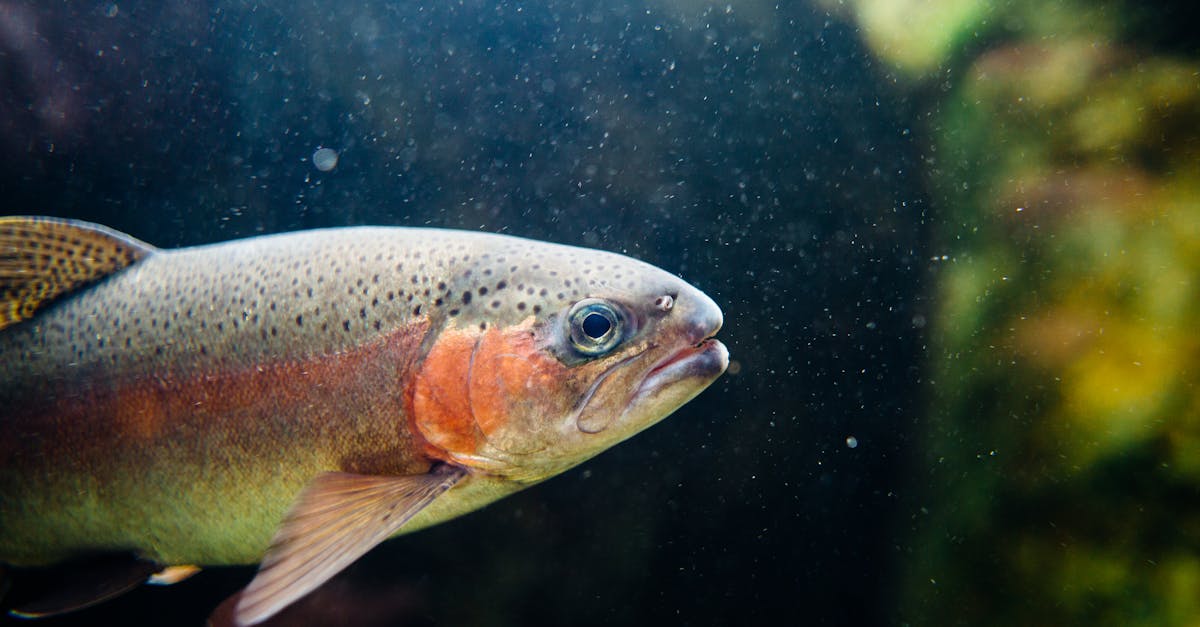
A focused 48‑hour weekend on the River Frome (Dorset) centres on three public stretches: Maiden Newton, the Wrackleford complex (including The Bricks carrier) and the single‑bank Waddock Farm downstream of Tincleton. These chalkstreams hold wild brown trout—locally called brownies—and grayling, with evening dry‑fly activity strongest at dusk during high summer and into autumn.
Friday: Maiden Newton
Arrive an hour before sunset. The ¾‑mile beat near Dorchester offers pools, riffles and gravelly glides. Dusk hatches of Pale Wateries and Blue Winged Olives (July–August) create seams along 5–6ft deep margins and undercut reed banks. Sight fishing with a 9ft #4-5 rod and a 12ft leader, 4–6lb tippet, pays dividends; blind casts into seams often draw rises from 2lb wild brownies.
Saturday: Wrackleford
Explore nearly five miles of beats and the Bricks carrier. Riffles, glides and ranunculus‑clogged shallows form evening seams where Sedges and upwinged flies trigger free‑rising trout and the ladies of the stream (grayling). Floating lines suit wading and under‑branch sight fishing; expect pockets holding 3lb plus specimens in prime runs.
Saturday night–Sunday: Waddock Farm
The 1‑mile single‑bank stretch below Tincleton fishes best at dusk and first light. Hatchpools near islands and bridges concentrate fish; margins exceeding 6ft require stealthy approaches. Traditional dry flies on Pale Wateries patterns often produce willing takes from brownies and occasional larger residents.
Conservation note
The Frome’s clarity, gravel beds and ranunculus are vital; anglers are encouraged to adopt low‑impact wading, careful unhooking and support local chalk‑stream conservation groups to preserve these fragile habitats—part of the same English fly‑fishing heritage born on rivers such as the Test.
Recommended: long delicate leader