
9ft Rod Conversion for March Sea‑Trout
DIY: Convert a 9ft Fly Rod into a March Estuary Sea‑Trout Streamer Rod
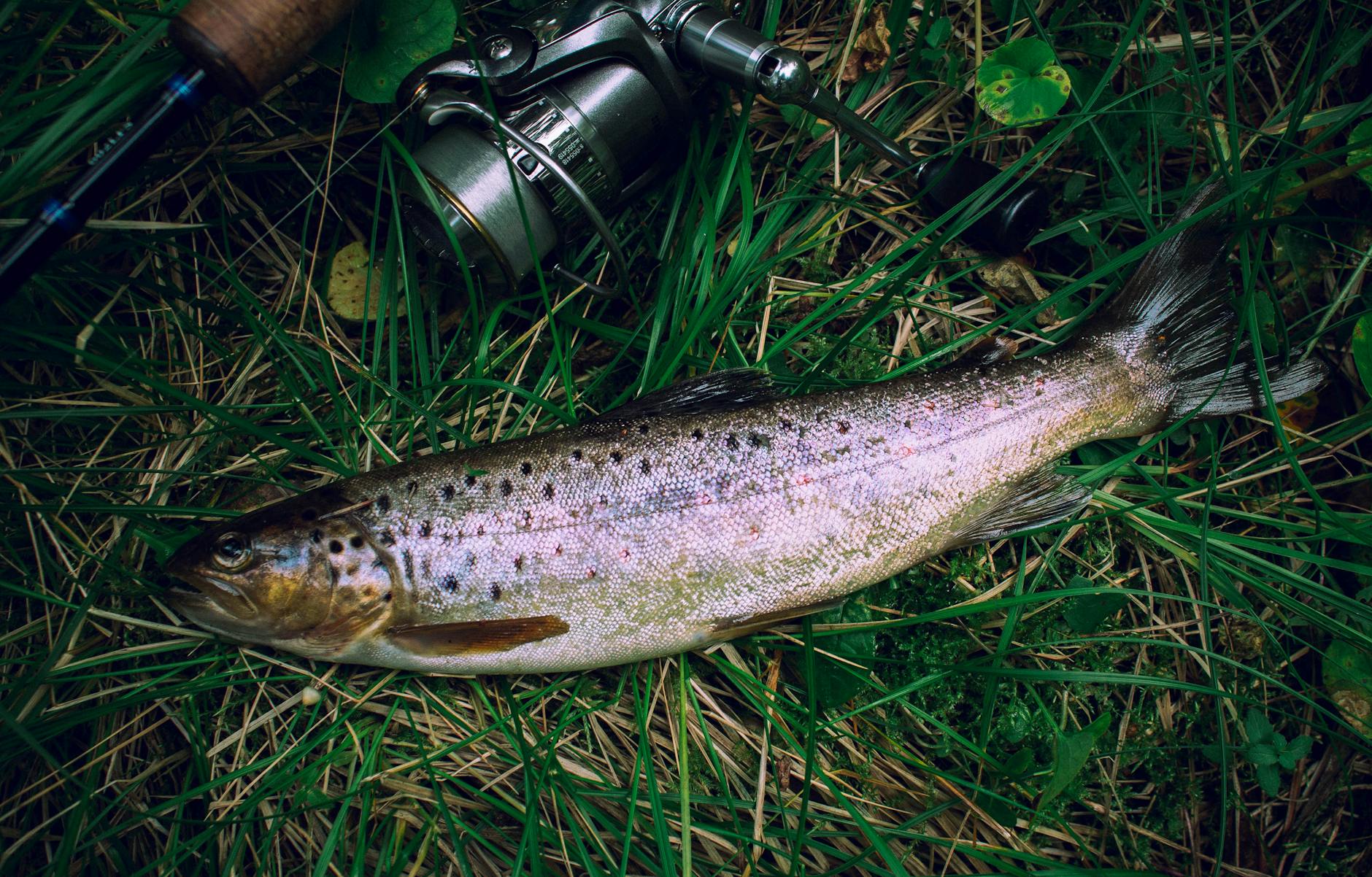
In the United Kingdom, spring sea‑trout (Salmo trutta) concentrate at tidal mouths such as the Severn Estuary, the Hampshire Avon and the Solent approaches. This practical, stepwise conversion repurposes a 9ft dry‑fly or light‑wet rod into a streamer tool suited to March spring tides while preserving the blank’s desirable action born of English chalk‑stream design.
Materials and assessment
Inspect the blank and ferrules for hairline fractures. Required materials include slow‑cure epoxy and microballoon mix, thin glass or Kevlar braid for ferrule wraps, heat‑resistant heavy‑action tip rings (titanium SiC recommended), replacement winding checks, heat‑shrink tubing, fine silk or nylon binding thread and a clear rod finish.
Step 1: Reinforce ferrules
De‑seat and thoroughly clean ferrule ends. Apply a light microballoon epoxy fillet inside the male sleeve to distribute load. Wrap the exterior with tightly tensioned braid or fine glass sleeve, then wet out with epoxy. For sliding multi‑section rods add an exterior micro‑sleeve to prevent micro‑slip under repeated streamer loads encountered in tidal runs.
Step 2: Fit heavy‑action tip rings
Fit larger tip rings to reduce line friction when casting bulky saltwater‑style streamers. Slide the new ring over the tip section or mount a glued‑on tip top; align using heat‑shrink, bind with fine thread, then coat with epoxy. Larger rings help when using polyleaders or sinking tips typical of estuary swing tactics.
Leader taper and fly selection
Use a stout tapered leader 9–12ft long with a heavy butt equivalent to 8–12lb breaking strain tapering to a 2–4lb tip, or a 9–12ft polyleader/sink‑tip for faster tidal lines. Select streamers sized and weighted for coastal Salmo trutta—streamers with internal lead or welded eyes turnover more reliably on stronger tides.
Balance and testing
Fit a robust coastal reel and test by casting weighted streamers at the estuary mouth on a spring tide. Check swing rhythm and balance; fine tune by moving the reel seat slightly forward/back or adding a small tungsten butt cap until the rod tracks smoothly without losing its native flex. Avoid over‑stiffening, which erodes the moderate action prized in blanks derived from UK chalk‑stream heritage.