
Alder Shade and Dusk Rises on the Test
Stockbridge reach on the upper River Test shows how alder shade rewrites dusk mayfly emergences and brown trout rises
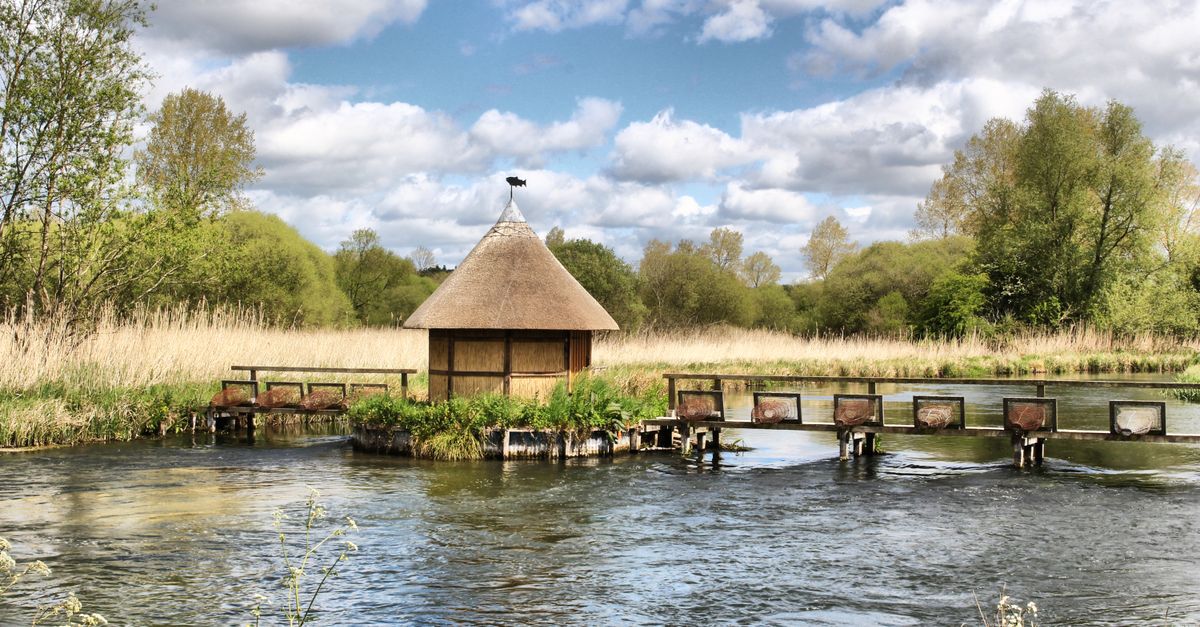
Stockbridge’s chalk water benefits from deliberate alder shading that cools and breaks light, targeting roughly a 70:30 direct sun to dappled shade balance to keep insect production ticking while offering refuge for trout.
Evening mayfly activity on this Hampshire chalkstream tracks the last usable light and the first stable feeding lanes under the bank; where dense alder shadow meets brighter riffles, the emergence window slides later and fish stack tight to the darker margin.
Practical dusk cues for anglers
Fish the last 45–90 minutes before dark over shaded glides and the tails of riffles. Alder roots, undercut banks and the seam where shaded glide meets a lighter riffle are prime lies. Long leaders of 12–15 ft with fine tippet around 5X–6X suit low-light mayfly work; delicate dry fly trim and subtle mends win the timid rises of brown trout.
Stockbridge practice favours leaving much of the south bank shading intact along glides while coppicing fast riffles and creating small canopy "skylights" to boost in‑stream productivity. That mix nudges emergences into predictable pockets for dusk-focused anglers.
Cast tight along the dark seam, keep presentations soft, and read the film where the last mayflies hover — a brown trout slipping up from the alder shadow to sip a dun in the silver of dusk is the sight every Stockbridge angler times their cast for.
Recommended: 5X–6X nylon tippet