
How-to: Three proven river setups for April trout & salmon
How-to: Three proven river setups for April trout & salmon
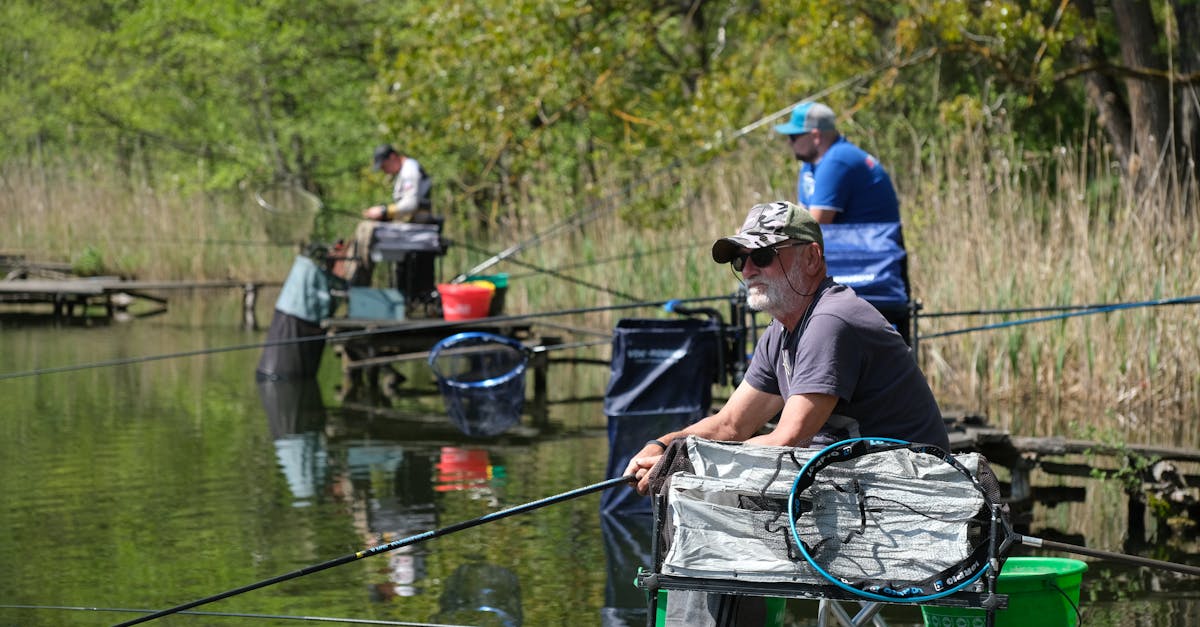
Early April on UK chalkstreams and rivers brings fresh-run salmon and active trout. Water temperatures commonly range 6–9°C; chalkstreams such as the Test, Itchen and Hampshire Avon are often 0.2–0.8m deep in holding glides. The following three rigs cover most early-season situations from small tailwaters to larger beats like the Wye and Severn.
Nymph rig for tight lanes
Use a floating line with a long, supple 9–12ft fluorocarbon leader (6–8lb) and a running indicator or short bobber. Cast upstream with two weighted nymphs: a 3.5–4mm tungsten bead on the point and a smaller, unweighted nymph as a dropper 18–30in above. Fish at depths of 0.4–1m, minding flow seams and tailouts. Change shotting to hold flies in current without dragging.
Upstream dry for sighted trout
On clear chalkstreams try an upstream dry-fly presentation. Single-handed rods 8–9ft, floating line and a 10–14ft tapered leader with 3–5ft of fine tippet work well. Present a natural drift across shallow riffles and glide banks; target trout in 0.2–0.6m water. Use flies like hare’s ear emergers and traditional spinners where hatches occur.
Short-line streamer rig for salmon and big trout
When colour or current rises, switch to short-line streamer techniques. Use a 9–12ft single-handed rod or light double-handed rod with a stout 12–18ft leader and 12–20lb shock/trace. Cast across and strip into slower pools and tails; larger patterns in black, yellow or shrimp tones trigger aggressive takes. The Mill Pool holds examples of fresh salmon; one angler recently landed an 8lb salmon on a 1½in Black-and-yellow Tosh at 1500, the fish running hard then returning lively after a five-minute release.
Notes on handling and locations
Early-season anglers should respect close seasons and local bylaws, check river temperatures, wear waders and always use barbless hooks for quick release. Rivers to watch in April include the Test, Itchen, Hampshire Avon, Wye and Severn; Scottish rivers and lochs will require adapted leader and fly sizes for local conditions.
Recommended: breathable fishing waders