
April 2026 catch-limit review explained
April 2026 catch-limit review explained for skippers and shore anglers
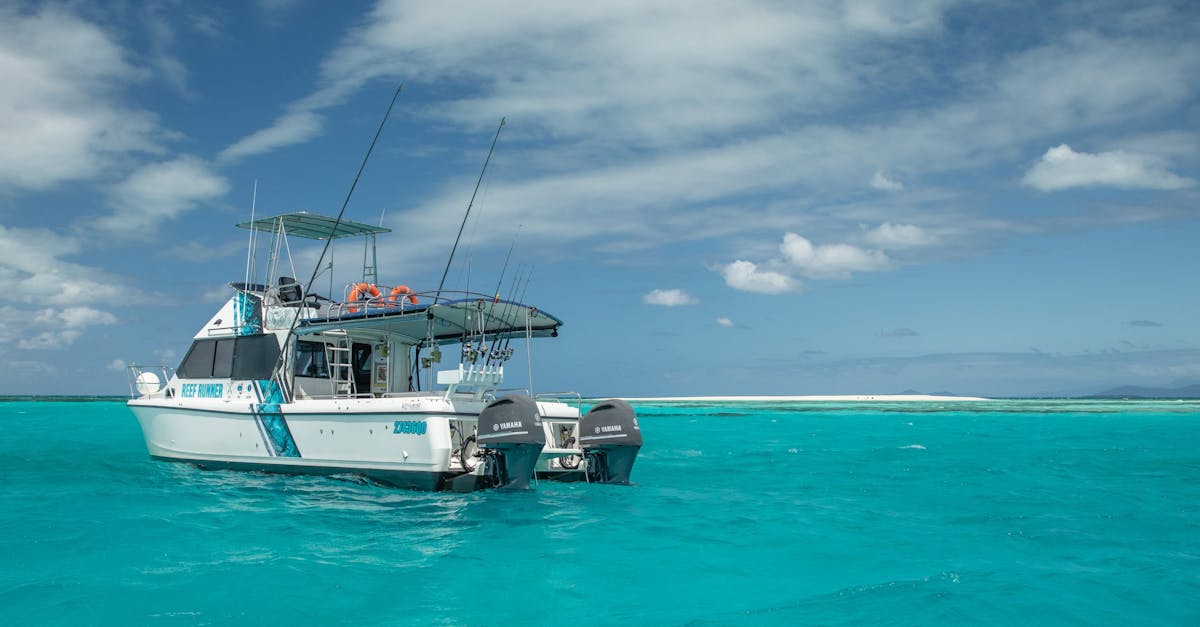
The UK government's April 2026 catch-limit consultation introduces tighter controls on North Sea bycatch and adjustments that affect charter skippers and shore anglers across the English Channel, North Sea and Scottish coasts. Notable measures include steep reductions in cod bycatch in area 7a — under-10m vessels cut from 2 tonnes quarterly to 0.3 tonnes monthly, and over-10m non-sector vessels from 0.3t quarterly to 0.1t monthly — and an earlier March increase of herring quota in area 4c7d for small vessels (200t to 300t). Proposed Pollack adjustments form part of the joint UK-EU-Norway talks on shared stocks.
What it means on the water
Charter skippers running trips from ports such as Newlyn, Whitby or Wick should revise target species and trip duration. Shore anglers fishing Lyme Bay, the Isle of Wight and Scottish sea lochs can expect stricter bycatch reporting and monthly recording. Pollack and sea bass on rocky marks and wrecks remain viable targets when water is 8–14°C at 5–30m depths; mackerel shoals in the English Channel offer reliable day trips. Thames estuary and south coast venues may see more bass-focused bookings while western Scottish lochs and the Solway offer alternative game and specimen options.
Three tactical changes to plan this month
1) Rotate targets: move effort from cod to pollack, bass or mackerel sessions. Use mackerel strips, peeler crab and soft plastics around kelp, reefs and wrecks to increase legal catches. 2) Logbook discipline: adopt monthly catch reporting and accurate weight estimates to comply with the tighter 7a bycatch windows and avoid quota breaches. 3) Gear and layout: fit stronger braided mainlines and fluorocarbon leaders for reef work, carry single-hook rigs to reduce cod bycatch, and schedule shorter, shallower trips to stay within permitted areas and depths.
Recommended: single hook rig