
April 2026 fisheries negotiations: uneven outcomes explained
April 2026 fisheries negotiations: uneven outcomes explained
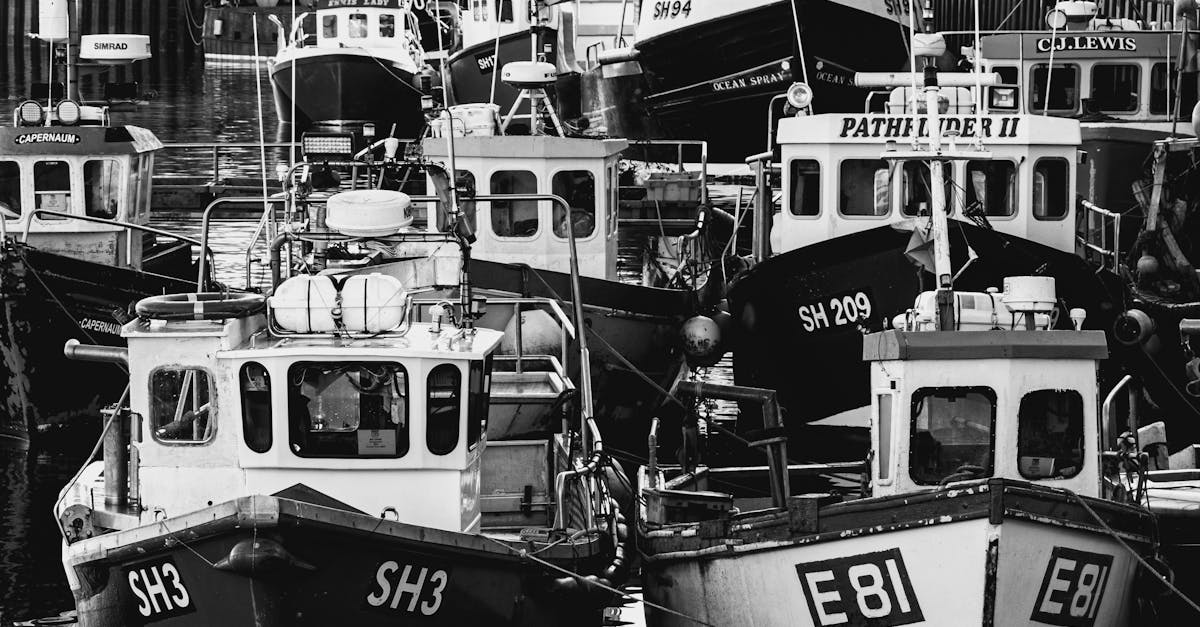
The 2026 annual quota talks closed with a mixed set of results for UK waters. Negotiators agreed increases for some stocks but imposed sharp reductions on others, prompting the National Federation of Fishermen's Organisations to warn of “Painful Cuts And New Risks.” Across the North Sea, Irish Sea, English Channel and Celtic Sea outcomes vary by species and by region.
What under-10m vessels face
Small boats that dominate coastal ports from Northumberland to Cornwall are most exposed. Under-10m vessels targeting cod, haddock and whiting may see lower trip allowances; pelagic quotas such as mackerel can be volatile. Practical effects include shorter trips, switching grounds to Scottish lochs or deeper North Sea marks (50–150m) and tighter landing plans to match reduced TACs.
Sea anglers and dayboats
Recreational skippers and sea anglers will feel knock-on effects. Bass fishing in the English Channel and around the Isle of Wight (5–30m depths, temps 8–18°C) remains popular, while summer mackerel runs (surface to 30m, 10–16°C) offer reliable sport. Dayboats may adapt by targeting multi-species trips and avoiding over-pressured grounds.
Net choices and practical steps
Gear decisions matter: selective methods—creels for shellfish, hook-and-line for whitefish, and appropriately sized mesh—reduce bycatch and help meet quota rules. Investing in a basic fishfinder and shore waders, recording landings carefully and following local byelaws will help skippers and anglers navigate the uneven 2026 landscape.
Recommended: neoprene chest waders