
Chalk, Caddis and Dusk on the River Test
Stockbridge beats on the River Test host evening rises to Large Dark Olive and Grannom caddis
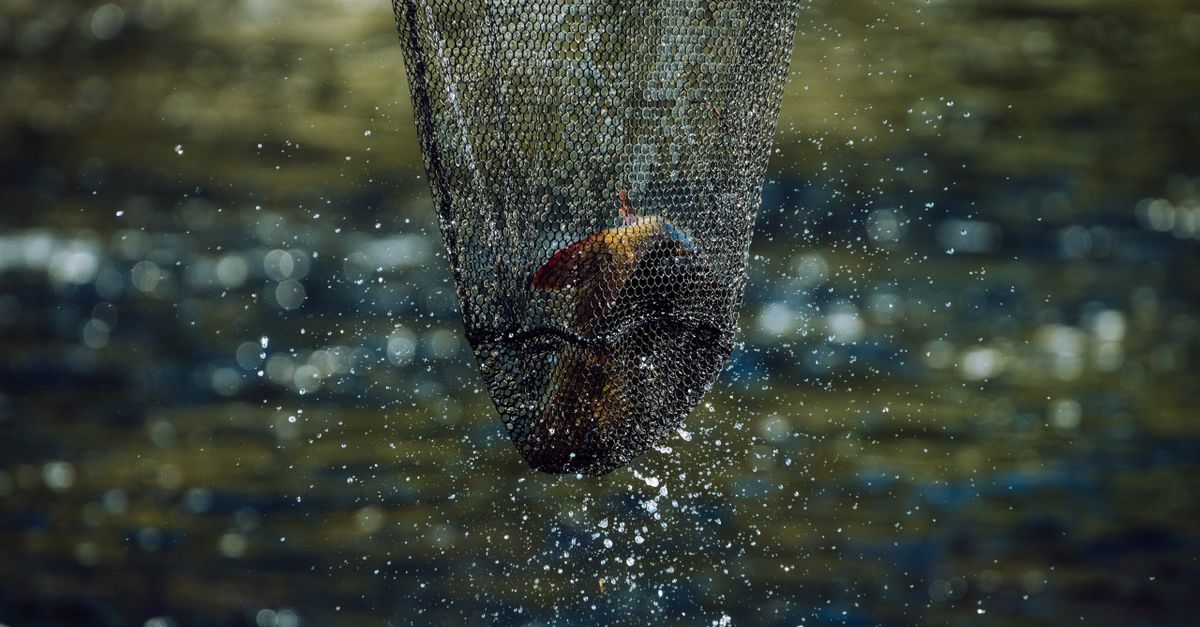
The chalk water here is oxygen-rich and clear; that clarity keeps brown trout active as light falls. Fish move from deep glides and gravel riffles into carriers and soft-edged seams where converging currents concentrate sedge and olive hatches.
Microhabitats that matter
Glides, marginal runs and shallow carriers form the meat of evening feeding lanes. Trout hold in deeper water by day and slide a short distance into shallow feeding lanes at dusk, exploiting pockets where insect drift spikes.Timing is tight: sedges and olive hatches build in late afternoon and often continue into darkness. Large Dark Olive and Blue-Winged Olive activity can dominate June evenings, while earlier spring sees Grannom caddis and mayfly pulses around spawning gravel.
Presentation is subtle. Upstream dry fly and nymph remain the staple on Test beats, but the single, light short-range cast to a visible rise outperforms blind, long-range casting. In carriers the angler can stalk close; on faster sections a trout will dart from a pool into a soft seam for a quick feed.
At Stockbridge dusk the ripple of a precise dry fly takes a caddis on the surface and the river writes the moment in light and oxygen — a trout sliding, a soft splash, then darkness.