
Chalk, Gravel and the Dawn Rise
Stockbridge dawn: River Test mayfly rise
The River Test in Hampshire runs over a thirty‑metre chalk mantle built from ancient cocoliths, a filter that makes the water glassy and famously clear. Clean, coarse gravel beds above impermeable clay create oxygenated intra‑gravel flows, prime spawning sites for brown trout (Salmo trutta) and shelter for bullhead (Cottus gobio).
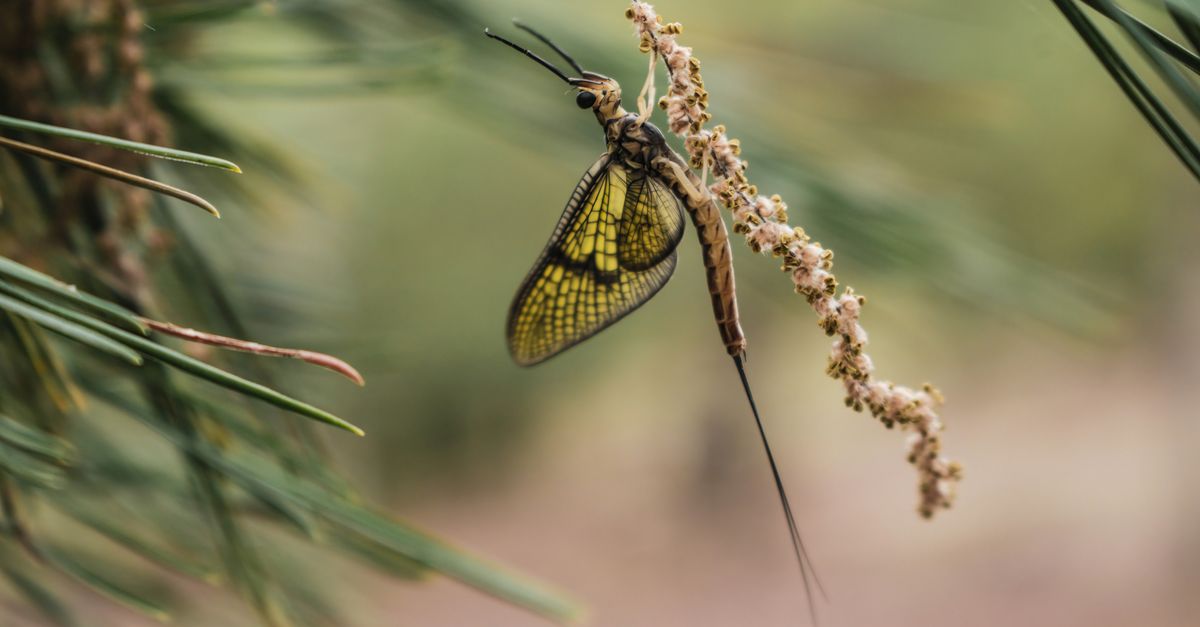
That clarity drives predictable insect cycles. Large Dark Olive, Grannom caddis and hawthorn hatches lead into the main mayfly surge — Ephemera danica — the most productive fortnight from mid‑May into June. At first light below Stockbridge the trout move from lies to feed on emergers and drifting nymphs, a short, reliable surface window when rises concentrate in the shallow seams.
Tactics for the dawn dry‑fly window
Timing is everything: present a fly that drifts dead on the surface seam. An emerger pattern half‑submerged or a comparadun/CDC emerger imitates the dun perfectly; a Klinkhamer Special often fools wary trout. In low flow keep nymphs 6–18 inches (15–45 cm) deep, but once the rise begins the focus shifts to the glassy film where a delicate dead‑drift wins more takes than brute weight.
Fishing the Test carries a thread of history back to Izaak Walton and spills into the kitchen: a pan‑seared or smoked trout on toasted rye keeps the day’s catch honest. Dawn on the Test closes fast — just a few minutes of silver light and then the river returns to its filtered calm as a brown trout breaks the glassy seam for a mayfly dun.