
Where the Dry Fly Was Perfected: England’s Chalk Streams
More than 85% of the world’s chalk streams lie in England.
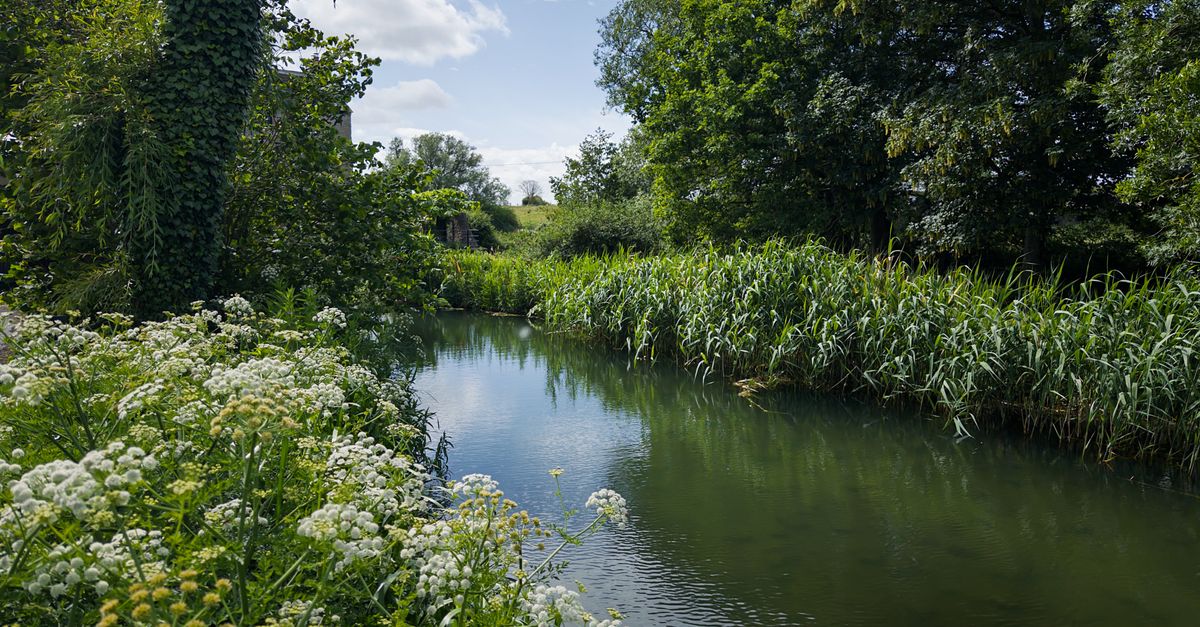
Clear water, gravel beds and a slow, measured current make rivers like the Test and the Itchen unmistakable. Brown trout rise with a delicate slurp; reeds whisper; the fly drifts like a living thing. Experienced anglers point to those Hampshire beats as where modern dry-fly craft was sharpened into an art.
Frederic M. Halford is the name that crops up in every tackle-room talk. He refined the idea that presentation mattered above brute force: a tiny, perfectly dressed dry fly floated, invisible to the trout, until it wasn’t. That insistence on finesse shaped rods, lines and the whole etiquette of chalk-stream fishing.
Technique, tackle and temperament
On stretch after stretch the tactic is the same—read the water, time the drift, watch the rise. The traditional rod is light, the tippet finer than on big rivers, and waders are a constant companion for those stealthy approaches. Fish here favour sight and selectivity; a clumsy cast spoils the chance.
Beats, keepers and the slow rhythm of stalking trout created a culture as much as a method: measured conversation, careful footsteps, and the reverent silence when a brown trout breaks the surface. The image endures—dry fly hovering, trout easing up, and the chalky water running clear past the angler’s boots.
Recommended: waterproof chest waders