
How the dry‑fly was born on Hampshire chalk streams
Frederic M. Halford’s name still hangs over the chalk streams of Hampshire
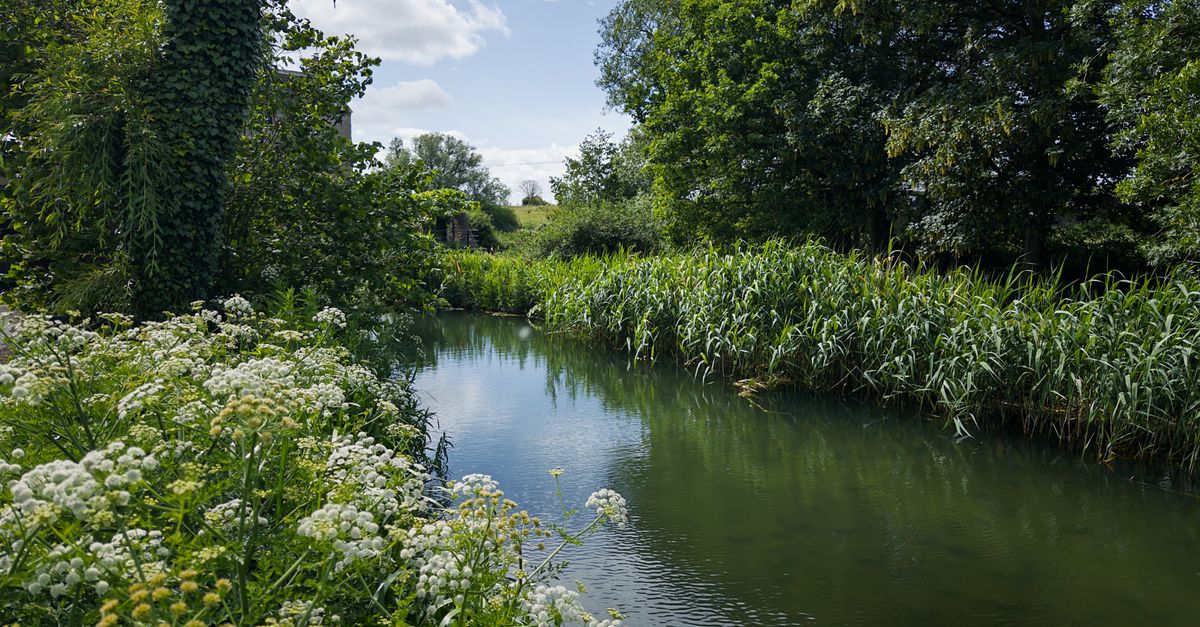
Halford wrote the rules that many still quote: upstream cast, dead drift, imitate the mayfly. The technique took shape on the River Test and the Itchen, where clear water and abundant brown trout allow the dry fly to be more than a trick — it became a way of reading a river.
Technique and character
Chalk streams run clear and cool on a bed of flint and chalk. Flows are steady. Margins are slow and fringed with watercress and alder. On these rivers a single well-presented dry fly will tempt a wary brown trout or a grayling to rise. Tackle reflects that: long, light rods, fine tapered leaders, tiny dry flies tied to match mayfly, sedge and olive hatches.
Anglers learned to watch light, current seams and the ripple where food accumulates. Presentation matters more than brute force. The dry‑fly school favoured stealth: length of cast, angle, and a drag‑free drift. It elevated observation — of hatches, of trout behaviour — into technique.
The chalk‑stream legacy is practical and aesthetic. It taught anglers to value subtlety, to pair a small fly with careful upstream casts, to savour the moment a trout breaks the surface and the fly disappears in a blinking ring of water.
Recommended: long light fly rod